
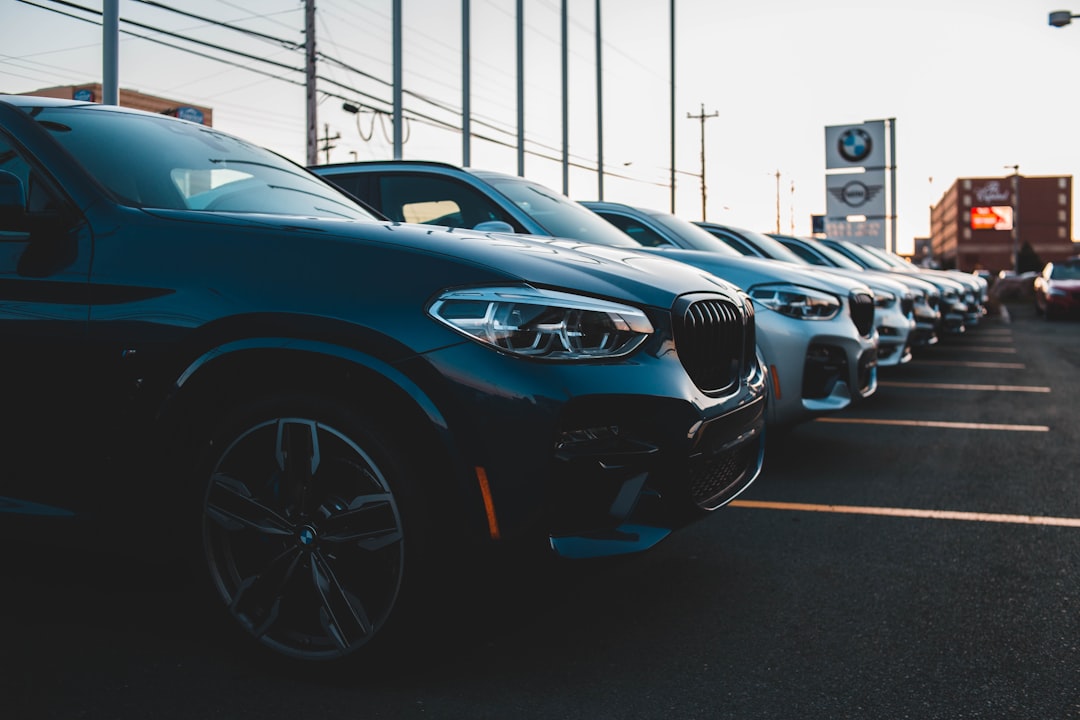
Inventory Photo Standards: Photography Guidelines That Sell
The Inventory Metric That Predicts Your Month
Your inventory photo quality directly drives VDP conversion rates — and VDP conversion is the leading indicator of whether you’ll hit your monthly targets. When your photos are consistent, professional, and complete, you’ll see 40-60% higher engagement on your listings compared to poor photography. More engagement means more showroom traffic, which translates to more deals on the books.
Your inventory photo standards aren’t just about looking good online. They’re about creating buying urgency before the customer ever steps foot on your lot. In today’s digital-first market, 95% of customers research online before visiting. If your photos don’t sell the vehicle sight unseen, you’ve lost the deal before your sales team ever gets an up.
Reading Your Market Through Photo Performance
Your DMS and website analytics tell the whole story about photo effectiveness. Pull your VDP-to-lead conversion rates by vehicle and you’ll quickly identify which photos are working and which are costing you deals. Top-performing stores see 8-12% VDP conversion rates on properly photographed inventory.
Start by analyzing your time-on-site metrics for vehicle detail pages. If visitors are bouncing after 15-30 seconds, your photos aren’t telling the vehicle’s story. Strong photo sets keep customers engaged for 2+ minutes, giving them time to envision ownership and submit a lead.
Track these photo-related KPIs monthly:
- VDP views per vehicle
- VDP-to-lead conversion rate
- Average time spent on vehicle pages
- Phone calls generated from listings
- Showroom appointments booked from online traffic
Essential Photo Standards That Drive Traffic
Your inventory photo standards must be systematic and repeatable. Every vehicle needs the same shot sequence, lighting quality, and staging approach. This consistency builds trust with online shoppers and positions your store as professional and detail-oriented.
Exterior Shot Requirements
Start with a three-quarter front angle — this captures the vehicle’s personality and gives buyers the best first impression. Your lead photo determines whether customers click through or scroll past. Take this shot from slightly below eye level to make the vehicle appear more substantial and appealing.
Complete the exterior with these mandatory angles:
- Driver’s side profile (full vehicle visible)
- Three-quarter rear view
- Passenger side profile
- Straight-on front and rear shots
- Close-ups of wheels, badges, and unique features
Ensure consistent lighting across all shots. Natural lighting works best, but if you’re shooting indoors or during poor weather, invest in proper photography lighting equipment. Shadows and inconsistent exposure make your inventory look unprofessional.
Interior Documentation Strategy
Capture every seating row and major feature. Start with a wide shot of the front seats, then photograph the dashboard, center console, and rear seating areas. Don’t just document — sell the experience. Show the interior’s condition, space, and premium features that justify your pricing.
Technology features require specific attention. Photograph the infotainment screen with an attractive display showing navigation or the audio system. Capture premium materials like leather seating, wood trim, or carbon fiber accents. These details separate your listings from competitors who post generic exterior-only photos.
Photography Equipment and Process
Invest in proper equipment — your phone camera isn’t sufficient for professional inventory photos. A mid-range DSLR camera with a wide-angle lens produces significantly better results. The investment pays for itself through increased VDP engagement and faster inventory turns.
Establish a standard shooting process that any team member can follow. Create a shot list checklist and ensure every vehicle gets photographed consistently. This systematic approach prevents missed angles and ensures quality remains high regardless of who’s behind the camera.
Staging for Maximum Appeal
Clean and detail every vehicle before photography. This seems obvious, but many stores shoot inventory straight from recon without proper staging. Spend the extra 30 minutes to remove personal items, clean windows, and ensure the vehicle looks showroom-ready.
Position vehicles strategically for optimal backgrounds. A clean, neutral background focuses attention on the vehicle rather than distracting lot clutter. Many successful stores create designated photo areas with consistent backgrounds and lighting.
Photo Editing and Enhancement Standards
Basic editing improves every photo without misleading customers. Adjust brightness, contrast, and color balance to ensure photos accurately represent the vehicle while looking their best. Avoid heavy filtering or editing that misrepresents the vehicle’s actual condition.
Consistency in editing style creates a professional brand appearance across your entire inventory. Develop editing templates or presets that can be applied quickly to maintain uniformity. This attention to detail signals quality and professionalism to potential buyers.
Managing Photo Volume and Workflow
Aim for 25-35 photos per vehicle to fully document the inventory while maintaining viewer engagement. Too few photos leave questions unanswered; too many photos overwhelm viewers and slow page loading times.
Establish daily photo workflows to prevent inventory from sitting without proper photography. Set targets for same-day photo completion on fresh trade-ins and new arrivals. Delayed photography costs you early-interest leads during the critical first days on your lot.
Measuring Photo Performance Impact
Monitor your photo quality’s impact on key metrics. Vehicles with complete, professional photo sets consistently outperform those with minimal or poor photography. Track days-to-turn by photo quality to quantify the impact on your inventory investment.
Compare your photo standards against competing dealerships in your market. Mystery shop your competitors’ online inventory to identify opportunities for differentiation. Superior photography can justify premium pricing and accelerate inventory movement.
Technology Integration for Photo Management
Modern DMS and inventory management systems streamline photo uploading and syndication across listing platforms. Ensure your photography workflow integrates efficiently with your existing systems to minimize administrative overhead.
Automated syndication tools push your professional photos across multiple listing platforms simultaneously, maximizing exposure without additional manual work. This broad exposure amplifies the impact of your improved photography standards.
Training Your Team on Photo Standards
Consistent execution requires proper training for everyone involved in inventory photography. Create clear guidelines, provide examples of acceptable and unacceptable photos, and establish quality control checkpoints.
Regular photo quality audits ensure standards remain high over time. Review recent inventory photos monthly and provide feedback to maintain consistency. Poor photography habits can develop gradually without systematic monitoring.
FAQ
How many photos should each vehicle have?
Target 25-35 photos per vehicle to fully document exterior, interior, and key features. This range provides comprehensive coverage without overwhelming viewers or slowing page load times.
What’s the biggest mistake dealerships make with inventory photography?
Inconsistent lighting and staging. Professional, uniform photo standards across all inventory build trust and credibility with online shoppers more than any single perfect photo.
Should we invest in professional photography equipment or outsource?
Most dealerships benefit from investing in mid-range DSLR equipment and training internal staff. This approach provides better cost control and faster turnaround times for fresh inventory.
How often should we update vehicle photos?
Initial photos should be completed within 24 hours of inventory arrival. Update photos if vehicle condition changes significantly or after 60+ days on the lot to refresh online listings.
Do photo standards really impact sales performance?
Absolutely. Stores with professional, consistent inventory photography see 40-60% higher VDP engagement rates and significantly faster inventory turns compared to basic photography approaches.
Building a Profitable Photography Strategy
Your inventory photo standards directly influence every aspect of your sales performance — from online lead generation to lot traffic to closing ratios. Customers who engage with quality photos arrive more informed and motivated to purchase.
Professional photography isn’t just about pretty pictures; it’s about building buying confidence before the customer arrives. When your photos accurately represent vehicle condition and features, you eliminate surprises and reduce objections during the sales process.
The dealerships winning in today’s digital marketplace understand that quality photography is non-negotiable. Your inventory photos are often the first — and sometimes only — impression customers have of your store. Make that impression count with systematic, professional photography standards that drive traffic and accelerate sales.
CarDealership.com’s integrated platform helps dealers manage inventory photography alongside CRM, marketing automation, and reputation management tools designed specifically for auto retail. Our system streamlines photo management while tracking the performance metrics that matter most to your bottom line. Book a demo to see how professional inventory management tools can transform your digital presence and drive more qualified traffic to your showroom.
