
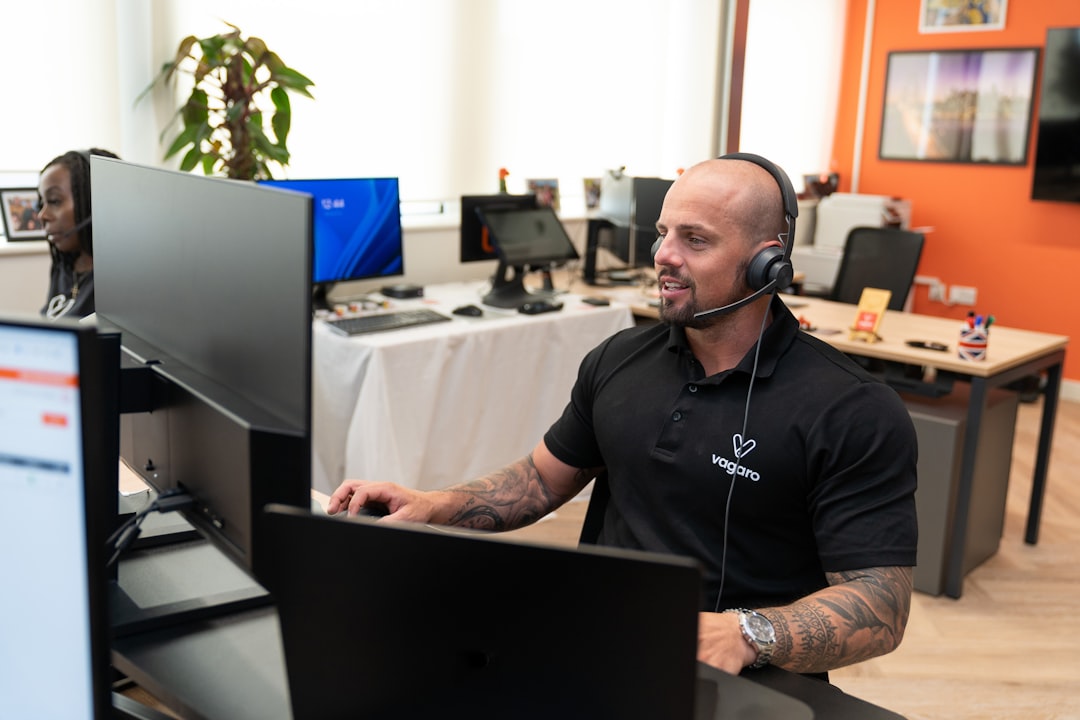
Service BDC: Appointment Setting for the Service Department
Bottom Line Up Front
Your service BDC’s show rate determines whether you’re running a customer-retention machine or just an expensive call center. While most dealers obsess over sales BDC metrics, your service BDC drives fixed ops revenue that makes or breaks absorption rates. Top-performing stores see 65%+ appointment show rates and service absorption north of 45% — not by accident, but through disciplined BDC operations that treat every service appointment like a $500 RO waiting to happen.
The difference between a 40% show rate and a 65% show rate isn’t lead quality — it’s process execution. Your BDC either sets firm appointments with qualified customers, or it burns through your database generating activity reports that look good but don’t move metal or turn wrenches.
BDC Structure
In-House vs. Outsourced: When Each Makes Sense
In-house works best when you’re running 300+ ROs monthly and can justify dedicated headcount. You control quality, handle complex service scenarios, and integrate directly with your service writers and technicians. Your BDC agents understand your shop’s capacity, can schedule around major recalls, and know which advisors handle which customer types best.
Outsourced makes sense for smaller stores or when you’re testing BDC effectiveness before committing to full headcount. Look for vendors who specialize in automotive service — not general appointment setting. Your outsourced partner should integrate with your DMS and understand service intervals, warranty work, and recall scheduling.
Staffing Model: Headcount Per Lead Volume
Target 80-120 outbound contacts per agent daily across calls, texts, and emails. One full-time BDC agent handles roughly 200-300 active service prospects in various follow-up stages. Scale your headcount based on your active database size and monthly service traffic goals.
For every 400 ROs monthly, plan for one dedicated service BDC agent. High-volume stores running 800+ ROs need two agents minimum to handle both inbound leads and outbound prospecting without bottlenecks.
Comp Plans That Drive Appointments, Not Just Activity
Pay for show rates, not dial volume. Base salary covers activity benchmarks (minimum calls, contacts made, appointments set). Spiffs kick in for appointment show rates above your baseline — typically $10-25 per confirmed appointment that shows.
Structure your comp to reward quality appointments that turn into ROs, not just bodies in the door. Track which agents consistently set appointments that result in higher RO values and adjust spiff structures accordingly.
| Metric | Base Expectation | Spiff Trigger |
|---|---|---|
| Daily Outbound Contacts | 80-120 | 120+ |
| Weekly Appointments Set | 25-35 | 35+ |
| Show Rate | 50% | 65%+ |
| RO Conversion | 70% | 80%+ |
Sales BDC vs. Service BDC vs. Combined
Dedicated service BDC outperforms combined models in stores with sufficient volume. Service conversations require different skills — you’re solving problems and building trust, not creating urgency for immediate purchase decisions.
Combined BDC works for smaller dealers who can’t justify separate headcount. Train your agents on service scheduling first, then sales follow-up. Service appointments are easier to set and give agents confidence before handling hot sales prospects.
Inbound Lead Management
Speed-to-Lead: The 5-Minute Standard
Five minutes maximum from form submission to first contact attempt. Service leads convert at 8x higher rates when contacted within five minutes versus waiting an hour. Your BDC should receive instant notifications through your DMS integration or CRM alerts.
Set up automatic text responses for after-hours submissions: “Thanks for your service request. We’ll call you first thing tomorrow morning to schedule your appointment.” Then make that the first call of the day.
Multi-Channel Response: Priority Order
Phone first, text second, email third. Start with a phone call within five minutes. If no answer, send a text within two minutes of the missed call. Follow up with email containing service specials or relevant maintenance information.
Your text message should reference the phone call: “Hi [Name], just tried calling about your service appointment request. When’s the best time to schedule your [specific service]?” This approach shows persistence without feeling aggressive.
Lead Routing and Assignment Logic
Route by service type and advisor expertise, not just round-robin distribution. Warranty work, complex diagnostics, and routine maintenance require different handling. Your BDC should know which advisors excel with each customer type.
Orphan customers get priority routing to your strongest appointment setter. These prospects have higher lifetime value but require more relationship-building since they’re not working with their original salesperson.
Scripts That Set Appointments, Not Just Answer Questions
Your opening should identify the specific service need: “Hi Mrs. Johnson, this is Sarah from ABC Motors’ service department. I see you requested information about brake service for your 2019 Camry. I’d like to get you scheduled this week — are mornings or afternoons better for you?”
Don’t get trapped answering pricing questions over the phone. Script response: “I want to make sure you get accurate pricing for your specific vehicle. Our advisors need to see your car to give you the exact estimate. I can get you in Tuesday at 8 AM or Wednesday at 10 AM — which works better?”
The Follow-Up Cadence That Works
Day 1: Phone call, text if no answer, email with service information
Day 3: Phone call, text with service special or reminder
Day 7: Email with educational content (maintenance tips, recalls)
Day 14: Phone call, text with seasonal service reminder
Day 30: Move to monthly nurture sequence
Stop the sequence when they schedule, decline, or request removal. Don’t waste time on dead leads when you have fresh prospects to contact.
Outbound Prospecting
Orphan Owner Mining: Your Biggest Untapped Database
Pull your orphan customer report monthly and prioritize by RO history and vehicle age. Customers who spent $300+ annually on service but haven’t been in for 6+ months represent immediate revenue opportunities.
Script for orphan outreach: “Hi Mr. Davis, this is Mike from DEF Auto Service. I’m looking at your Silverado’s service history, and it looks like you’re due for your 60K service. I’d like to get you back in with one of our senior advisors — does this week work, or should we look at next week?”
Equity Mining Campaigns
Target customers with vehicles 3-7 years old who have positive equity and regular service history. These prospects are prime for sales conversations after service appointments.
Your service BDC should identify upgrade opportunities during appointment setting: “While you’re here for service, would you like our sales team to give you an updated trade value? The market’s been really strong for vehicles like yours.”
Service-to-Sales Handoffs
Create a warm handoff process for service customers showing sales interest. Your BDC should gather basic qualification info during the service conversation: timeline, trade information, payment preferences.
Script the handoff: “I’ll have our sales manager John call you while your vehicle’s in service today. He can give you exact trade numbers and show you what’s available in your payment range.”
Conquest and Be-Back Strategies
Target conquest prospects who’ve visited your service department for warranty work or recalls but don’t own your brand. They’re already familiar with your facility and team.
Be-back campaigns work best 30-60 days after initial service visits. Lead with service value, then transition to sales opportunities: “How’s your Accord running since the brake service? By the way, have you seen the new incentives on the 2024 models?”
Appointment Optimization
Setting Firm Appointments
Lock in specific day and time, not “come in this week.” Confirm the service needed, estimated time, and what the customer should bring. “I have you scheduled Tuesday at 8 AM for brake inspection and possible replacement. Plan on 2-3 hours, and bring your driver’s license and any warranty paperwork.”
Get a backup time commitment: “If something comes up Tuesday morning, what’s your second choice?” This reduces no-shows and makes rescheduling easier.
Confirmation Cadence
Text confirmation works better than phone calls for service appointments. Send confirmations 24 hours and 2 hours before the appointment.
24-hour text: “Reminder: brake service appointment tomorrow (Tuesday) at 8 AM. Reply YES to confirm or call if you need to reschedule.”
2-hour text: “See you at 8 AM for your brake service! We’re located at [address] — entrance on the north side.”
Reducing No-Shows: Strategies That Move the Needle
Qualify transportation needs during appointment setting. “Do you need a loaner car or can someone pick you up?” Customers with transportation plans are 40% more likely to show.
Set expectations about wait times and costs upfront. “Brake inspection takes about an hour, and if you need pads, we can have you out in 2-3 hours for around $300-400.” No surprises means better show rates.
Follow up on no-shows within 2 hours with a helpful tone: “Hi Mrs. Smith, we missed you this morning for your brake appointment. Is everything okay? I can reschedule you for tomorrow or later this week.”
Show-Rate Benchmarks by Lead Source
| Lead Source | Target Show Rate | Top Performer Rate |
|---|---|---|
| Service Website Forms | 65%+ | 75%+ |
| Phone Inquiries | 70%+ | 80%+ |
| Orphan Database | 45%+ | 60%+ |
| Equity Mining | 40%+ | 55%+ |
| Conquest Campaigns | 35%+ | 50%+ |
Performance Management
Daily BDC Dashboard: The 5 Numbers That Matter
1. Appointment Show Rate (daily and rolling 7-day average)
2. Contacts Made (phone, text, email combined)
3. Appointments Set (confirmed for future dates)
4. RO Conversion Rate (appointments that become paying customers)
5. Average RO Value from BDC-generated appointments
Review these metrics every morning in your managers’ meeting. Address variances immediately — don’t wait for monthly reports when daily adjustments can fix performance issues.
Call Monitoring and Coaching
Listen to 3-5 calls per agent weekly, focusing on appointment-setting conversations rather than just lead qualification calls. Score calls on greeting, needs assessment, appointment setting, and confirmation process.
Coaching should happen within 24 hours of identified issues. Don’t save feedback for formal reviews when immediate coaching can prevent lost appointments and revenue.
Quality Scoring: What Good Sounds Like
Effective service BDC calls identify specific service needs, create urgency around safety or maintenance, and lock in firm appointment times. Agents should sound knowledgeable about service intervals and common maintenance needs.
Red flags to coach: Agents who just take messages, don’t confirm appointment details, or fail to create any urgency around needed services.
When to Coach, When to Correct, When to Cut
Coach when agents have the right activity levels but low conversion rates. Correct when agents aren’t hitting basic activity benchmarks or following established processes. Cut when coaching and correction don’t improve performance after 60 days.
Top performers plateau too — keep challenging them with stretch goals and additional responsibilities like training new agents or handling your most difficult service cases.
FAQ
Q: Should service BDC agents also schedule sales appointments?
A: Only if your volume doesn’t justify dedicated roles. Service appointment setting requires different skills than sales qualification. Most high-volume stores see better results with dedicated service BDC agents.
Q: How do I prevent service advisors from undermining BDC efforts?
A: Include service advisors in BDC training and show them how quality appointments improve their daily workflow. Track which BDC appointments result in higher RO values and share those wins with your service team.
Q: What’s the best CRM integration for service BDC operations?
A: Look for platforms that sync with your DMS in real-time and can trigger automated follow-up sequences based on service history. Your BDC needs instant access to previous RO data and service intervals.
Q: How do I handle price shoppers during appointment setting calls?
A: Redirect to value and convenience rather than competing on price over the phone. “I understand price is important. Our goal is to give you accurate pricing and get your car serviced right the first time. What time works best for you this week?”
Q: Should BDC agents earn spiffs on service-to-sales conversions?
A: Yes, but structure it as a team spiff shared between BDC and sales to encourage cooperation. Individual spiffs can create conflict between departments over customer ownership.
Conclusion
Your service BDC success comes down to process discipline and consistent execution. Most dealers fail at BDC operations because they focus on activity metrics instead of appointment quality and show rates. The stores winning in fixed ops have BDC teams that understand service urgency, set firm appointments, and follow up relentlessly until customers either schedule or decline.
Start with speed-to-lead and confirmation processes — these two changes alone can boost your show rates by 15-20 points. Then layer in orphan mining and equity campaigns to fill your service bays with profitable work.
CarDealership.com’s integrated CRM and marketing platform helps hundreds of auto dealers streamline their BDC operations with automated lead routing, follow-up sequences, and real-time DMS integration. Our service BDC tools are built specifically for automotive retail, helping stores capture more service appointments and increase fixed ops revenue. Book a demo to see how our platform can boost your service BDC performance and drive higher absorption rates across your dealership.
