
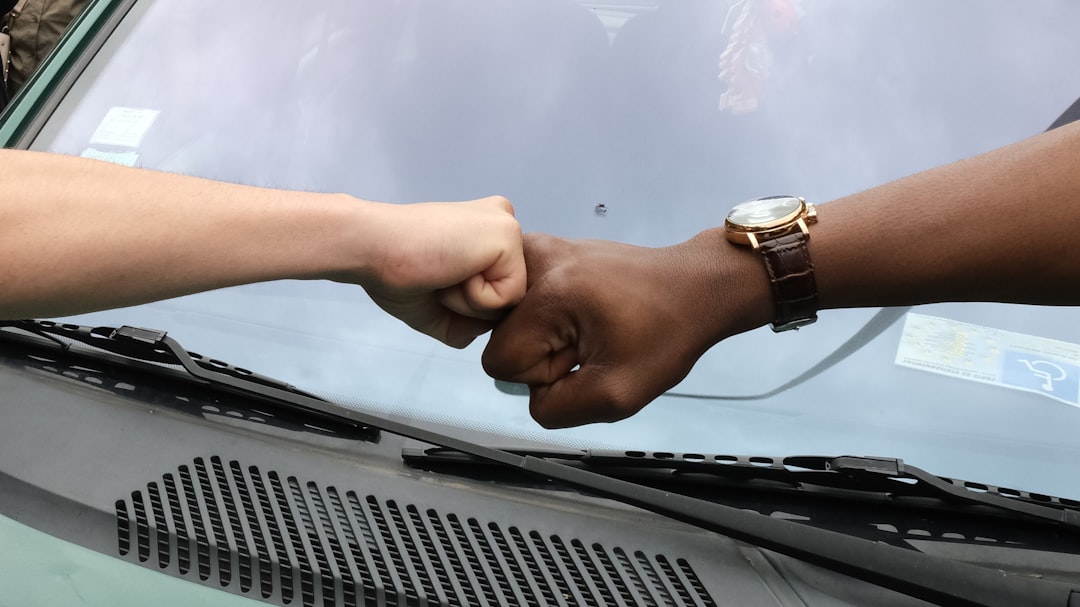
Dealership Customer Experience: Creating Buyers for Life
Bottom Line Up Front
The metric that predicts everything else: First Call Resolution Rate. When your BDC can answer a customer’s core question and advance the deal on the first touchpoint, you’ll see your CSI scores climb, retention rates jump, and referral volume double. Top-performing stores hit 75%+ first call resolution, while underperformers struggle to break 40%. This single KPI cascades through every department and directly impacts your front-end gross, back-end PVR, and service absorption rates.
Your dealership customer experience isn’t just about making people happy — it’s about creating a competitive advantage that drives measurable profit. When customers trust your process, they shop less, negotiate less, and refer more. That translates to higher grosses, faster inventory turns, and the kind of repeat business that makes your monthly forecasts predictable.
The Modern Buyer Journey
Research Happens Before Contact
Your customers arrive at your lot having already formed 80% of their buying decision. They’ve researched pricing, read reviews, compared inventory, and probably know more about your current incentives than half your sales team. The days of controlling information flow are over — now you need to control the experience flow.
Smart dealers recognize this shift and use it to their advantage. Instead of fighting the research phase, they dominate it. Your website becomes your best salesperson, working 24/7 to pre-qualify buyers and set proper expectations before the first phone call.
Critical Touchpoints Where Deals Get Made or Lost
The buyer journey has four make-or-break moments: initial online research, first contact response, showroom greeting, and F&I presentation. Most stores obsess over closing techniques while ignoring these earlier touchpoints where customers actually make their trust decision.
Your initial response time sets the tone for everything that follows. Industry data shows that leads contacted within 5 minutes are 9 times more likely to convert than those contacted after 30 minutes. Yet most BDCs still operate like it’s 2010, letting hot leads marinate in the CRM while they finish up paperwork or grab lunch.
The Online-to-Showroom Handoff
This is where most stores fumble. A customer submits a lead online, gets a generic email response, then walks into your showroom only to repeat their entire story to a salesperson who knows nothing about their previous interaction. That disconnect kills momentum and signals that you don’t have your act together.
Winning stores create seamless handoffs. When Mrs. Johnson walks onto your lot, your salesperson already knows she inquired about the silver RAV4, has two kids, and mentioned she needs the car by next weekend. That level of preparation doesn’t just impress customers — it shortens your sales cycle and increases close rates.
First Impressions at Every Touchpoint
Website Experience: The 10-Second Test
Your website gets judged faster than a customer walking your lot. In 10 seconds, visitors decide whether you’re professional, trustworthy, and worth their time. They’re scanning for three things: inventory selection, pricing transparency, and easy contact options.
Most dealer websites fail this test spectacularly. Outdated photos, missing prices, broken links, and contact forms that disappear into the void. Your website should function like your best salesperson’s opening presentation — clear, confident, and focused on moving to the next step.
Mobile optimization isn’t optional anymore. Over 60% of your traffic comes from mobile devices, and customers will bounce immediately if your site doesn’t load cleanly on their phone. Test your mobile experience monthly, not annually.
Phone and Chat: Building Trust, Not Interrogating
Your BDC scripts should feel like consultation, not interrogation. Instead of rapid-fire qualifying questions, focus on understanding the customer’s situation and providing helpful information. The goal isn’t to extract maximum data for your CRM — it’s to build enough trust that they want to continue the conversation.
Train your team to listen for buying signals beyond the obvious ones. A customer asking about service hours might be signaling they’re ready to buy but want to understand the long-term relationship. Someone asking about your finance options is telling you they’re past the shopping phase and ready to talk numbers.
Response time standards matter more than perfect scripts. A helpful response in 10 minutes beats a perfectly crafted response in 2 hours. Your BDC’s primary KPI should be speed to meaningful contact, not call volume or lead count.
The 3-Minute Showroom Window
Once a customer steps onto your lot, you have roughly 3 minutes to make them feel welcome without being pushy. This requires training your sales team to read customer body language and adjust their approach accordingly.
The traditional “Can I help you?” greeting is weak and easily deflected. Instead, train your team to make observational comments: “That RAV4’s been popular this week” or “Perfect timing — we just got that one in yesterday.” These openers sound helpful rather than sales-focused and create natural conversation starters.
Your greeting should accomplish three things: make the customer feel welcome, demonstrate product knowledge, and create a reason to continue the conversation. Everything else can wait until you’ve established basic trust and rapport.
The Sales Experience
Consultative vs. Transactional: The Gross Impact
Consultative selling takes longer upfront but dramatically increases your front-end gross and back-end PVR. Instead of rushing to get customers into a vehicle, top producers spend time understanding the customer’s actual needs, not just their stated wants.
The customer who says “I just want the cheapest car you have” is rarely telling you their real story. They might be worried about making payments, concerned about reliability, or embarrassed about their credit situation. Consultative selling uncovers the real situation and positions you to solve their actual problem.
This approach requires patience and training. Your sales team needs to understand that spending an extra 15 minutes in discovery can add $1,000+ to the front-end gross and increase F&I product sales by 30%. That time investment pays dividends through the entire transaction.
Transparency Actually Increases PVR
Dealers who are upfront about pricing, fees, and process see higher profit per vehicle than those who play pricing games. Transparency doesn’t mean giving away margin — it means explaining your value proposition clearly and confidently.
When customers understand what they’re paying for, they’re more likely to see value in additional products and services. The customer who trusts your vehicle pricing is more receptive to extended warranties, GAP coverage, and maintenance plans.
Build transparency into your process systematically. Use tools that show market pricing comparisons, explain reconditioning costs, and demonstrate the value of your preparation process. Customers will pay appropriate gross when they understand what they’re receiving.
Reducing Wait Time at Every Step
Time kills deals. Every minute a customer sits waiting in your showroom increases the likelihood they’ll leave without buying. Map out your entire sales process and identify every point where customers wait for something to happen.
Common time wasters include: finding keys for test drives, locating vehicle information, getting manager approval for trade appraisals, and waiting for F&I availability. Each of these delays can be minimized with better process design and appropriate technology.
Your desk log should track time-to-completion for every step, not just overall deal time. When you identify that trade appraisals consistently take 45 minutes, you can address that specific bottleneck rather than trying to speed up the entire process.
Personalization Without Being Creepy
Modern CRM systems give you access to incredible amounts of customer data. Use it wisely. Knowing that Mrs. Johnson bought her last car 4 years ago is helpful. Mentioning that you saw her vacation photos on Facebook is creepy.
Effective personalization focuses on the customer’s automotive needs and preferences, not their personal life. Reference their previous service history, their stated preferences, and their buying timeline. Leave their social media activity alone unless they bring it up first.
The goal is to demonstrate that you pay attention to their needs, not that you’ve researched their entire online presence. Professional attention builds trust; personal stalking destroys it.
Service Department as a Retention Engine
Service Scheduling: Friction Kills Retention
Your service department should be the easiest part of your dealership to work with, not the most frustrating. Complex scheduling processes, limited availability, and poor communication drive customers to independent shops, where you lose control of the relationship.
Online scheduling, evening hours, and shuttle services aren’t luxury amenities — they’re retention necessities. The customer who can’t get their car serviced conveniently will find someone who can accommodate their schedule. Once they’re comfortable with another service provider, you’ve lost them for future vehicle purchases.
Track service retention rates by customer segment. New car buyers should have 90%+ retention for warranty work and 70%+ for paid services. Used car buyers will have lower rates, but you should still see meaningful retention if your process is customer-friendly.
Communication During Service Visits
Nobody likes service surprises. Unexpected repairs, higher-than-quoted costs, and longer completion times create the kind of negative experiences that customers remember for years. Outstanding service departments communicate proactively throughout the process.
Digital vehicle inspections, real-time updates, and photo documentation help customers understand what work is needed and why. These tools don’t just improve customer satisfaction — they increase service gross by helping customers visualize problems and solutions.
Train your service advisors to explain recommendations in terms customers understand. “Your brake pads are at 20% remaining” means more than “you need brake work soon.” Specific, measurable information builds trust and increases approval rates.
Service-to-Sales Pipeline: Helpful, Not Aggressive
Your service department sees every customer’s equity position and replacement timeline. Use this information to provide helpful guidance, not pushy sales pitches. The customer whose repair estimate exceeds their vehicle’s value needs honest advice, not a high-pressure close attempt.
Effective equity mining feels like financial counseling, not sales pressure. Help customers understand their options, provide clear comparisons, and let them make informed decisions. This approach generates more referrals and repeat business than aggressive sales tactics.
Track service-to-sales conversion rates and customer satisfaction scores together. If your conversion rates are high but satisfaction is low, you’re probably being too aggressive. The goal is long-term relationship building, not short-term transaction volume.
Measuring and Improving Customer Experience
CSI Optimization: Earning It vs. Gaming It
Most dealerships approach CSI scores like a report card they need to game rather than a business metric they need to improve. Gaming CSI through selective survey distribution or leading questions creates short-term score improvements but doesn’t address underlying experience problems.
Focus on the behaviors that drive genuine satisfaction: response time, follow-through on commitments, problem resolution speed, and proactive communication. When these fundamentals are solid, your CSI scores will improve naturally.
Review your CSI comments, not just your scores. Comments reveal specific problems and improvement opportunities that overall scores can’t identify. A customer who gives you high scores but mentions poor communication is telling you exactly what to fix.
Net Promoter Score Implementation
NPS gives you a cleaner read on customer loyalty than traditional CSI measures. The question “How likely are you to recommend us?” cuts through satisfaction metrics to identify customers who will actually drive new business.
Track NPS by department, salesperson, and customer type. Your top performers will have NPS scores 20+ points higher than your bottom performers. Use this data to identify best practices and coaching opportunities.
NPS trends matter more than point-in-time scores. A dealership moving from +20 to +35 NPS is building momentum that will show up in referral volume and market share. A store declining from +40 to +25 has a problem that needs immediate attention.
Review Generation and Response Strategy
Online reviews function as word-of-mouth recommendations at scale. A systematic review generation process can dramatically improve your online reputation and drive incremental business. But it requires consistent execution, not sporadic campaigns.
Ask for reviews immediately after positive experiences, not weeks later when the emotion has faded. Train every department to identify review-worthy moments and have a system to capture them in real-time.
Respond to every review, positive and negative. Your responses show future customers how you handle problems and celebrate successes. Thoughtful review responses can be more persuasive than the original reviews themselves.
Frequently Asked Questions
How do I improve customer experience without increasing costs?
Focus on process improvements before adding services. Better communication, faster response times, and more thorough follow-up cost more in training time than operational expense. Most experience problems stem from poor execution of existing processes, not missing services.
What’s the ROI of customer experience improvements?
Top-quartile CX performers see 15-25% higher gross profit per vehicle, 40%+ higher customer retention rates, and 3x more referral business. The payback period for most CX investments is under 12 months when properly executed.
How do I get my team to embrace customer experience initiatives?
Connect CX improvements to individual compensation and performance metrics. Salespeople who understand that better CX leads to higher gross and more repeat business will embrace the changes. Make the connection between behavior and income explicit and measurable.
Should I hire a customer experience manager?
Only if you have someone who can influence operations across all departments. CX management is about process improvement and training, not just customer service. The wrong person in this role creates more meetings without driving results.
How do I measure customer experience improvements?
Track leading indicators (response time, first call resolution, service scheduling ease) alongside lagging indicators (CSI, NPS, retention rates). Leading indicators tell you what to fix; lagging indicators tell you whether your fixes worked. Both are necessary for continuous improvement.
Building Long-Term Success Through Experience Excellence
Outstanding dealership customer experience isn’t about perfection — it’s about consistency, transparency, and genuine care for customer outcomes. The stores that master these fundamentals don’t just survive market downturns and manufacturer pressure; they thrive by building customer loyalty that transcends brand preferences and price competition.
Your customer experience strategy should be as systematic as your inventory management and as measurable as your grosses. When you treat CX as a profit center rather than a cost center, you’ll see the impact in every department metric that matters.
The automotive retail landscape continues evolving, but one constant remains: customers choose to do business with people and organizations they trust. Building that trust through exceptional experiences at every touchpoint isn’t just good customer service — it’s smart business strategy that pays dividends for years.
CarDealership.com’s integrated platform helps hundreds of dealers create seamless customer experiences from first contact through service retention. Our CRM, automated follow-up, and reputation management tools are built specifically for auto retail, helping stores capture more leads, close more deals, and grow fixed ops revenue through better customer relationships. Book a demo to see how our platform can transform your customer experience and drive measurable results across every department.
