
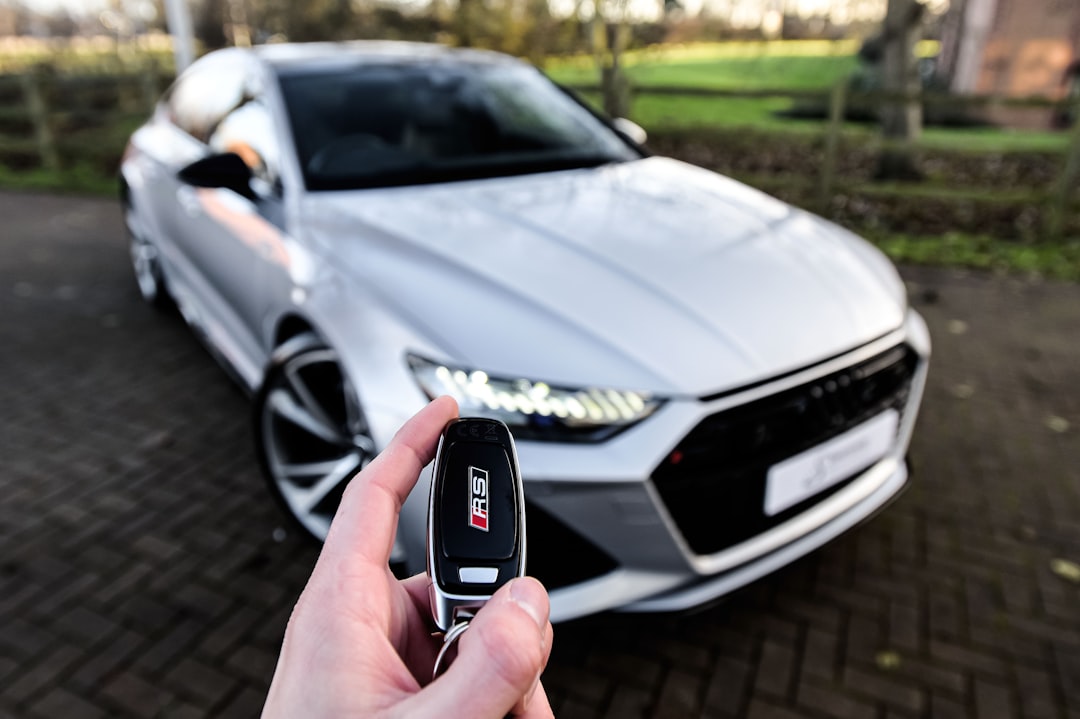
Reducing Wait Times at Your Dealership: Sales and Service
Bottom Line Up Front
Every minute a customer waits at your store costs you gross profit and future business. Your CSI scores, retention rates, and referral volume all trace back to one critical metric: time to resolution. Whether it’s a prospect waiting for a quote response, a buyer sitting in F&I, or a service customer wondering when their oil change will finish, reducing wait times at your dealership directly impacts your bottom line.
Top-performing stores understand that customer experience isn’t about free coffee and comfortable chairs — it’s about respecting your customer’s time at every touchpoint. When you eliminate friction and reduce wait times, you see immediate improvements in close rates, PVR, and service absorption.
The Modern Buyer Journey
How Your Customers Research Before Contact
Your customers spend 14+ hours researching before they ever walk into your showroom or call your BDC. They’ve already narrowed their choices, checked your inventory, read your reviews, and probably visited your competitors’ websites. They’re not starting their buying process with you — they’re ending it.
This shift means the traditional “greet, meet, and seat” approach is dead. When a prospect contacts you, they’re not looking for education about trim levels or features. They want confirmation that you have their vehicle, transparent pricing, and a timeline for getting the deal done.
The Touchpoints Where You Win or Lose
Your digital presence sets expectations for everything that follows. If your website loads slowly, your VDP photos are outdated, or your inventory isn’t synced, you’re already behind. When your BDC takes 4+ hours to respond to a lead, that prospect has likely moved to your competition.
The critical touchpoints that predict deal closure:
- Lead response time: Sub-5 minutes beats everyone else
- Phone conversion rate: Are you setting appointments or taking messages?
- Showroom greeting: First 3 minutes determine the entire experience
- Desking efficiency: How long from pencil to proposal?
- F&I wait time: The deal killer nobody talks about
Online-to-Showroom Handoff: Where Most Stores Fumble
Your BDC sets an appointment, but when the customer arrives, your salesperson knows nothing about their previous conversations. Or worse, the trade values discussed over the phone suddenly change when they’re sitting at your desk. This disconnect destroys trust instantly.
The handoff should be seamless. Your CRM notes, pricing discussions, and trade evaluations need to follow the customer from digital to physical. When a prospect walks in, your salesperson should already know their vehicle preference, trade situation, and timeline.
First Impressions at Every Touchpoint
Website Experience: The 10-Second Test
Your website is your virtual showroom floor. Customers decide within 10 seconds whether you’re worth their time. Slow load times, missing inventory details, or broken mobile experience sends them straight to your competitor.
Key performance indicators for your digital front door:
- Page load speed: Under 3 seconds or you’re losing traffic
- Mobile optimization: 70%+ of your traffic browses on mobile
- Inventory accuracy: Real-time DMS integration prevents disappointment
- Contact forms: Simple, not interrogating
Phone and Chat: Building Trust, Not Interrogating
Your BDC scripts should build value and set appointments, not qualify buyers to death. When a prospect calls about a specific vehicle, your goal is getting them in the door, not determining their credit score over the phone.
Effective phone process:
1. Confirm the vehicle: “Yes, that Silverado is still available”
2. Create urgency: “I can hold it for you until tomorrow”
3. Set the appointment: “When works better — this afternoon or tomorrow morning?”
4. Confirm contact info: Keep it simple
Chat should follow the same principle. Quick responses, helpful information, and appointment setting. Not a 20-question finance application.
Showroom Greeting: The 3-Minute Window
You have 3 minutes to establish rapport and understand their needs. Skip the “just looking” dance. Your prospect made an appointment — they’re here to buy.
Start with: “Hi, I’m [Name]. You must be here about the [Vehicle]. Great choice — let me grab the keys and we’ll take a look.”
No interrogation about budgets or payments. No asking if they have a trade before you’ve even shown them the vehicle. Show the car, demonstrate value, then discover their situation.
Response Time Standards: Your BDC’s Most Important KPI
Lead response time under 5 minutes converts at 10x higher rates than anything over an hour. Your BDC should have automated acknowledgment within 60 seconds and human contact within 5 minutes during business hours.
After-hours leads need immediate auto-response with realistic expectations: “Thanks for your interest in [Vehicle]. I’ll call you first thing tomorrow morning to confirm availability and schedule your appointment.”
The Sales Experience
Consultative Selling vs. Transactional: The Gross Impact
Transactional selling focuses on price. Consultative selling focuses on value. When you skip needs discovery and jump straight to numbers, you’re commoditizing yourself.
Take time to understand:
- How they’ll use the vehicle: Daily commute vs. weekend hauling
- What they’re replacing: Why are they trading/buying now?
- Their timeline: Immediate need or just shopping?
- Their concerns: What would keep them from moving forward today?
This isn’t about extending the process — it’s about selling the right vehicle at the right price instead of discounting your way to mini deals.
Transparency in Pricing: Why It Increases PVR
Price transparency doesn’t hurt gross — price surprises do. When you’re upfront about market value, reconditioning costs, and profit margins, customers appreciate the honesty. When you lowball trade values or hide fees, you create negotiation battles.
Present pricing clearly:
- Market comparison: “Similar vehicles in the area are listed at…”
- Value justification: “This one’s priced higher because…”
- Total investment: “With tax and fees, your total investment is…”
Reducing Wait Time at Every Step
Every minute waiting feels like five to your customer. Map your sales process and identify bottlenecks:
Desking delays: Pre-work credit applications when possible. Use your CRM’s integration to pull bureau scores before the customer sits down.
Management approval: Empower your salespeople with guidelines. If the deal fits your parameters, skip the T.O. dance.
F&I wait time: The biggest deal killer. Schedule F&I appointments instead of “next in line.” Prep the paperwork while the salesperson is presenting numbers.
Delivery delays: Vehicle prep should happen before the deal is finalized, not after. Keys, gas, and final inspection completed before F&I.
Personalization That Doesn’t Feel Creepy
Use the information customers give you, don’t spy on them. If they mentioned their daughter’s soccer practice, follow up with “How’s the cargo space working for all that soccer gear?” Don’t mention their LinkedIn job change that they never told you about.
Personalization wins:
- Remember their preferences: Manual transmission, specific colors, feature requirements
- Follow their timeline: Don’t pressure if they said they’re not buying until next month
- Acknowledge their situation: First-time buyer vs. seasoned negotiator
Service Department as a Retention Engine
Service Scheduling: Friction Kills Retention
Your service scheduling process determines customer retention more than your technician quality. When customers can’t get convenient appointments or have to wait on hold to schedule, they’ll find another service provider.
Online scheduling should be:
- Real-time availability: Connected to your DMS scheduler
- Specific time slots: Not “morning” or “afternoon”
- Service description: Oil change vs. diagnostic vs. warranty work
- Loaner car coordination: Reserve vehicles during scheduling
Communication During the Visit
Customers want updates, not surprises. When you find additional work needed, the conversation determines whether they see you as helpful or opportunistic.
Effective service communication:
1. Show the problem: Pictures of worn brakes, dirty filters
2. Explain the impact: Safety, performance, or reliability concerns
3. Present options: Fix now, schedule later, or monitor
4. Respect their decision: No pressure, no judgment
Text updates on service progress keep customers informed without requiring phone calls. “Your oil change is complete. Vehicle will be ready for pickup at 3:30 PM.”
Service-to-Sales Pipeline: Equity Mining That Feels Helpful
Your service customers are your best trade prospects, but most dealers handle equity mining like telemarketing. The approach should feel helpful, not predatory.
When a customer brings in a 7-year-old vehicle needing $2,000 in repairs, the conversation isn’t “Want to trade?” It’s: “I wanted you to know the current market value on your vehicle before you decide on these repairs. Would it help to see what your options might be?”
Loyalty Programs That Drive Return Visits
Effective loyalty programs reward behavior you want repeated. Free oil changes after five visits brings customers back. Discounts on services they never use don’t create loyalty.
Structure rewards around:
- Service frequency: Regular maintenance intervals
- Referral activity: New customers from existing customers
- Additional services: Detailing, accessories, extended warranties
- Early renewal: Maintenance packages purchased in advance
Measuring and Improving CX
CSI Optimization: Gaming It vs. Earning It
CSI gaming creates short-term scores but destroys long-term relationships. When you coach customers on survey responses or only survey satisfied customers, you’re missing the real feedback that drives improvement.
Earning high CSI requires:
- Consistent processes: Every customer gets the same quality experience
- Problem resolution: Address issues immediately, don’t wait for surveys
- Realistic expectations: Underpromise, overdeliver on timing and pricing
- Follow-up: Contact customers after delivery to ensure satisfaction
Net Promoter Score Implementation
NPS measures likelihood to recommend, which predicts future business better than satisfaction scores. Ask the simple question: “How likely are you to recommend us to friends or family?”
Scores 9-10 are promoters, 7-8 are neutral, 0-6 are detractors. Focus on converting neutrals to promoters rather than just avoiding detractors.
Review Generation and Response Strategy
Proactive review requests generate 4x more reviews than reactive approaches. Send requests immediately after positive experiences — successful delivery, completed service, or resolved concerns.
Review response guidelines:
- Thank positive reviews: Brief, personal acknowledgment
- Address negative reviews: Publicly show you care, privately resolve issues
- Response timing: Within 24 hours shows you’re monitoring feedback
- Professional tone: Never defensive, always solution-focused
Voice of Customer: What to Do With the Data
Collecting feedback without action wastes everyone’s time. Use customer input to identify process improvements, training needs, and competitive advantages.
Monthly VOC analysis should cover:
- Common complaint themes: What process changes are needed?
- Competitive mentions: What are customers comparing you against?
- Praise patterns: What should you train everyone to do consistently?
- Suggestion implementation: Show customers their input creates changes
FAQ
How long should customers wait for initial acknowledgment when they arrive?
No customer should wait more than 60 seconds for acknowledgment. Even if your salespeople are busy, a quick “I’ll be right with you” or “Let me get [Name] for you” shows respect for their time. Train your entire team to greet customers, not just salespeople.
What’s an acceptable wait time for F&I after sales agreement?
F&I wait time should be under 15 minutes. Schedule F&I appointments during the sales process instead of walk-in queues. Use the time between sales agreement and F&I to prep paperwork, not to make customers sit in your waiting area.
How quickly should our BDC respond to online leads?
Target 5-minute response time during business hours. Leads that get responses within 5 minutes convert at dramatically higher rates than those contacted after an hour. Implement auto-responses for immediate acknowledgment, then human contact ASAP.
Should we give time estimates for service work?
Always provide time estimates, and err on the conservative side. Customers prefer longer estimates that you beat rather than shorter ones that you miss. If a job typically takes 2 hours, quote 2.5 hours and deliver early.
How do we reduce desking time without hurting gross profit?
Preparation reduces desking time without impacting gross. Pull credit reports early, research trade values before appraisal, and know your money before sitting down with numbers. The math should be done before you present, not during.
Conclusion
Reducing wait times at your dealership isn’t about rushing customers — it’s about respecting their time while maximizing your profitability. Every process improvement that eliminates waiting increases customer satisfaction, improves your CSI scores, and builds the kind of reputation that drives referral business.
The stores winning in today’s market understand that customer experience starts with their digital presence and continues through every touchpoint. Your BDC response times, showroom processes, F&I efficiency, and service communication all contribute to the overall experience that determines whether customers return and refer others.
CarDealership.com’s integrated platform helps hundreds of dealerships streamline these processes with CRM tools, automated lead follow-up, and marketing systems built specifically for auto retail. When your team has the right tools to manage customer communication, track response times, and automate routine tasks, you can focus on what matters most — building relationships that drive long-term profitability.
Start measuring your current wait times at each touchpoint, identify the biggest bottlenecks, and implement systematic improvements. Your customers will notice the difference, your CSI scores will reflect the changes, and your bottom line will show the impact of treating customer time as your most valuable inventory.
