
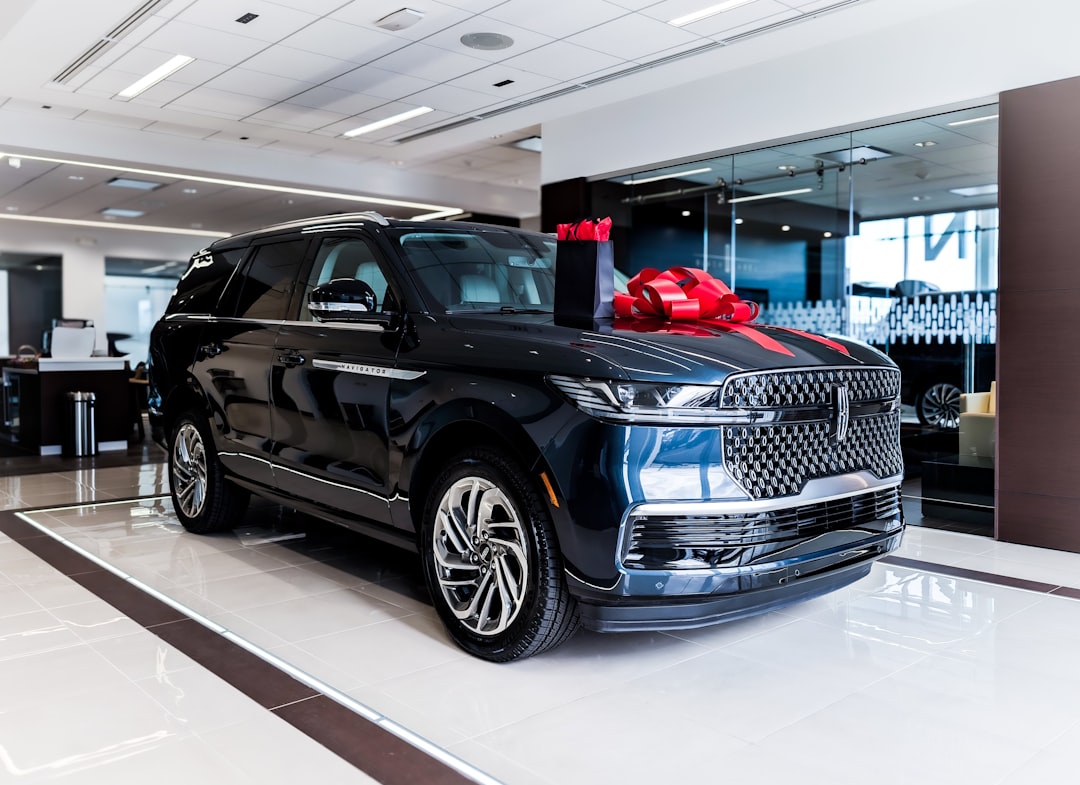
How to Sell More Cars: Proven Dealership Sales Strategies
The automotive sales landscape has undergone a dramatic transformation in recent years. Today’s car buyers arrive on your lot with more information, higher expectations, and less patience for traditional high-pressure tactics. For dealership owners and sales managers, this shift presents both a challenge and an unprecedented opportunity to differentiate your business and dramatically increase sales volume.
Understanding how to sell more cars in today’s market isn’t just about moving inventory—it’s about building a sustainable, profitable business that thrives regardless of market conditions. Dealerships that master modern sales strategies consistently outperform their competitors, achieve higher profit margins per unit, and build customer loyalty that generates referrals and repeat business for years to come.
In this comprehensive guide, you’ll discover a proven framework for increasing your dealership’s sales performance. We’ll cover everything from adapting to modern buyer behavior to implementing technology solutions that streamline your sales process. Most importantly, you’ll learn practical strategies you can implement immediately to start seeing results within the first month.
Market Context: Understanding Today’s Car Buyer
Current Buyer Behavior Trends
Today’s automotive consumers conduct extensive research before ever stepping foot on How to lot. They compare prices across multiple dealers, read reviews, research financing options, and often know more about the vehicle they want than some sales representatives. This informed buyer expects transparency, efficiency, and respect for their time throughout the purchasing process.
The modern car buyer also values convenience above almost everything else. They want to complete as much of the buying process online as possible, from initial research to financing pre-approval. When they do visit your dealership, they expect the experience to be streamlined and focused on their specific needs rather than a generic sales presentation.
How Consumer Expectations Have Shifted
Customer expectations have been shaped by experiences across all industries, not just automotive. They expect the same level of service they receive from leading e-commerce platforms and technology companies. This means personalized communication, quick response times, and seamless transitions between online and in-person interactions.
Trust has become the foundation of successful automotive sales. Buyers are skeptical of traditional sales tactics and can quickly detect inauthentic behavior. They gravitate toward salespeople and dealerships that demonstrate genuine expertise, provide value throughout the process, and prioritize the customer’s needs over short-term profit.
Digital vs. Traditional Buying Journey
The car buying journey now begins online for the vast majority of customers. However, this doesn’t mean the physical dealership has become irrelevant. Instead, successful dealers have learned to integrate digital touchpoints seamlessly with in-person experiences, creating a hybrid approach that meets customers wherever they are in their buying journey.
The most successful dealerships recognize that digital tools should enhance rather than replace human interaction. When used properly, technology allows your sales team to focus on building relationships and providing expert guidance rather than simply disseminating information that customers can find online.
The Strategy Framework: Building Your Sales Success Foundation
Core Principles of the Approach
The foundation of selling more cars lies in four core principles: customer-centricity, process consistency, technology integration, and continuous improvement. Customer-centricity means every decision and process should prioritize the buyer’s experience and needs. Process consistency ensures every customer receives the same high-quality experience regardless of which salesperson they work with.
Technology integration involves using digital tools to enhance rather than complicate the sales process. This includes everything from CRM systems that track customer interactions to automated follow-up sequences that nurture leads. Continuous improvement means regularly analyzing performance data and adjusting your approach based on what the numbers tell you about customer behavior and sales effectiveness.
Step-by-Step Implementation
Begin by auditing your current sales process from the customer’s perspective. Map out every touchpoint from initial inquiry to final delivery, identifying friction points and opportunities for improvement. This exercise often reveals gaps in communication, unnecessary steps, and missed opportunities to add value.
Next, establish clear standards for each stage of the sales process. Define what excellent customer service looks like at every touchpoint, create templates for common communications, and develop protocols for handling various scenarios. This standardization ensures consistency while giving your sales team the confidence that comes from having a proven system to follow.
Implement your new processes gradually, starting with one or two key areas. This allows you to test and refine your approach before rolling it out across your entire operation. Monitor results closely and gather feedback from both customers and sales staff to identify areas for further improvement.
Resource Requirements
Successful implementation requires commitment from leadership, buy-in from your sales team, and investment in the right tools and training. While the specific resources needed will vary based on your dealership’s size and current capabilities, every successful transformation requires dedicated time for training, systems setup, and process refinement.
Consider appointing a process champion—someone whose primary responsibility is overseeing the implementation and ensuring consistency across your sales team. This person should have strong communication skills and the authority to make adjustments as needed during the rollout phase.
Sales Team Implementation: Empowering Your People for Success
Training Requirements
Effective training goes beyond teaching sales techniques; it must help your team understand the psychology of today’s car buyers and how to build genuine relationships. Focus on developing active listening skills, consultative selling techniques, and the ability to guide customers through a complex decision-making process without applying pressure.
Role-specific training should address the unique challenges each team member faces, from initial lead qualification to final delivery. Include training on your dealership’s specific processes, technology tools, and customer service standards. Regular refresher sessions help maintain consistency and introduce new techniques as market conditions evolve.
Scripts and Talk Tracks
While natural conversation is essential, having proven talk tracks gives your sales team confidence and ensures important points aren’t missed. Develop flexible scripts that can be adapted to different customer types and situations. Focus on open-ended questions that encourage customers to share their needs, concerns, and preferences.
Create response frameworks for common objections and questions. Rather than rigid scripts, these should be guidelines that help salespeople address concerns while maintaining authentic conversation. Include alternatives for different personality types and communication preferences.
Performance Metrics to Track
Establish clear, measurable goals that align with your overall business objectives. Track both activity metrics (calls made, appointments set, follow-ups completed) and outcome metrics (conversion rates, average sale price, customer satisfaction scores). This balanced approach helps identify whether performance issues stem from insufficient activity or ineffective technique.
Regular performance reviews should focus on helping team members improve rather than simply evaluating past performance. Use data to identify coaching opportunities and celebrate improvements in addition to absolute results.
Technology & Tools: Leveraging Systems for Growth
CRM Optimization for This Strategy
Your Customer Relationship Management system should serve as the central hub for all customer interactions and sales activities. Configure your CRM to support your specific sales process, with clear stages that reflect how customers actually move through your dealership’s buying journey.
Automate routine tasks like follow-up reminders and appointment scheduling to free up your sales team’s time for relationship-building activities. Use your CRM’s reporting capabilities to identify patterns in successful sales and areas where prospects typically stall or leave your process.
Digital Tools That Support Execution
Implement tools that enhance communication and streamline the buying process. This might include video messaging platforms for personalized follow-up, digital document signing for faster paperwork completion, and mobile apps that allow customers to track their vehicle’s preparation and delivery status.
Choose tools that integrate well with your existing systems and are intuitive for both staff and customers to use. The goal is to reduce friction, not add complexity to your sales process.
Automation Opportunities
Identify repetitive tasks that can be automated without losing the personal touch that customers value. This might include initial lead acknowledgments, appointment reminders, and basic follow-up sequences. Well-designed automation should feel personal and timely rather than generic and robotic.
Use automation to ensure no leads fall through the cracks, but always provide easy ways for customers to reach a real person when they’re ready to move forward in their buying process.
Customer Experience Integration: Creating Lasting Relationships
Building Trust and Reducing Friction
Every interaction should build trust and move the customer closer to a purchase decision. This means being transparent about pricing, honest about vehicle conditions, and realistic about timelines. When customers feel confident they’re getting accurate information, they’re more likely to move forward with their purchase.
Identify and eliminate unnecessary steps in your sales process. If a procedure doesn’t add value for the customer or protect your business interests, consider removing it. Simple changes like having paperwork pre-filled when customers arrive for appointments can significantly improve their experience.
Follow-up and Relationship Nurturing
Consistent, valuable follow-up separates top-performing dealerships from the competition. Develop a systematic approach to staying in touch with prospects at various stages of the buying process. Your follow-up should provide value, not just ask for the sale.
Tailor your communication frequency and method to each customer’s preferences. Some prefer phone calls, others respond better to text messages, and some want detailed emails with additional information. Use your CRM system to track these preferences and communicate accordingly.
Turning Buyers into Repeat Customers and Referrals
The sale is just the beginning of the customer relationship. Implement processes to ensure smooth delivery experiences and proactive service scheduling. Happy customers who feel valued are your best source of future sales and referrals.
Create formal referral programs that make it easy and rewarding for satisfied customers to recommend your dealership to friends and family. Track referral sources so you can recognize and thank customers who send business your way.
Measuring Success: Data-Driven Improvement
KPIs to Track
Monitor metrics that provide insight into both the health of your sales process and customer satisfaction. Key indicators include lead conversion rates, average days to sale, customer satisfaction scores, and percentage of sales from repeat customers and referrals.
Track leading indicators like response time to new inquiries, appointment show rates, and follow-up completion rates. These metrics help you identify and address problems before they impact your bottom line.
ROI Calculation Framework
Establish clear methods for measuring the return on investment for your sales improvements. This includes tracking the costs of training, technology, and process changes against improvements in sales volume, profit margins, and customer lifetime value.
Consider both immediate impacts and long-term benefits when calculating ROI. Improvements in customer satisfaction and referral rates may take time to show up in your sales numbers but can have significant long-term value.
Adjusting Strategy Based on Data
Regular review of your performance data should inform ongoing adjustments to your sales strategy. Look for patterns in successful sales, common points where prospects exit your process, and differences in performance between team members or customer segments.
Use A/B testing for new approaches whenever possible. This might involve testing different follow-up sequences, appointment scheduling methods, or sales presentation formats to determine what works best for your specific market and customer base.
Common Pitfalls: Learning from Others’ Mistakes
Mistakes Dealerships Make with This Approach
One of the most common mistakes is implementing new processes without adequate training or support. Sales teams need time to learn new approaches and practice new skills before they can execute effectively with customers.
Another frequent error is focusing solely on short-term results without building systems for long-term success. While it’s important to see quick wins, the most successful dealerships balance immediate needs with investments in sustainable growth.
How to Avoid Them
Provide comprehensive training and ongoing coaching to ensure your team can execute your new sales strategy effectively. Be patient with the learning process while maintaining high standards for customer service.
Maintain focus on the customer experience even when pursuing aggressive sales goals. Customers can sense when they’re being treated as transactions rather than people, and this approach ultimately undermines long-term success.
When to Pivot
Monitor your results closely and be prepared to adjust your approach based on what the data tells you. If certain strategies aren’t producing expected results after a reasonable testing period, don’t hesitate to try different approaches.
Stay connected to your customers through surveys and direct feedback. If they’re telling you something isn’t working, listen and adjust accordingly. Customer feedback is often the earliest indicator that strategy changes are needed.
FAQ
How long does it typically take to see results from implementing new sales strategies?
Most dealerships begin seeing improvements in customer satisfaction and lead conversion rates within the first month of implementation. Significant increases in sales volume typically occur within 60-90 days as new processes become routine and your team becomes more skilled at execution.
What’s the most important factor in successfully selling more cars?
Consistency in executing a customer-focused sales process is the most critical factor. Customers should receive the same high-quality experience regardless of when they visit or which salesperson they work with. This consistency builds trust and reputation in your market.
How can smaller dealerships compete with larger operations that have more resources?
Smaller dealerships can often provide more personalized service and faster decision-making than larger competitors. Focus on building strong relationships in your local community and leverage technology to streamline operations and improve efficiency.
Should we focus more on online leads or walk-in traffic?
The most successful approach involves optimizing for both online leads and walk-in traffic while ensuring seamless integration between digital and in-person experiences. Today’s customers often research online before visiting, so treating these as separate channels misses opportunities to enhance the overall buying experience.
How do we measure customer satisfaction beyond sales numbers?
Implement regular customer surveys, monitor online reviews, and track metrics like referral rates and repeat customer percentages. These indicators often provide early warning signs of issues and help you identify improvement opportunities before they impact sales.
Conclusion
Successfully selling more cars in today’s market requires a strategic approach that combines modern customer expectations with proven sales principles. The dealerships that thrive are those that invest in their people, leverage technology effectively, and maintain unwavering focus on the customer experience.
The strategies outlined in this guide provide a roadmap for sustainable growth, but success ultimately depends on consistent execution and continuous improvement. Start with the areas that will have the biggest impact on your customer experience, and build from there.
Ready to transform your dealership’s sales performance? CarDealership.com helps hundreds of dealerships streamline operations, capture more leads, and grow revenue with our all-in-one CRM and marketing automation platform built specifically for auto dealers. Our integrated solution includes automated lead follow-up, review management, and marketing tools that support every strategy discussed in this guide.
[Book your free demo today] to see how our platform can help you implement these proven sales strategies and start selling more cars within the next 30 days.
