
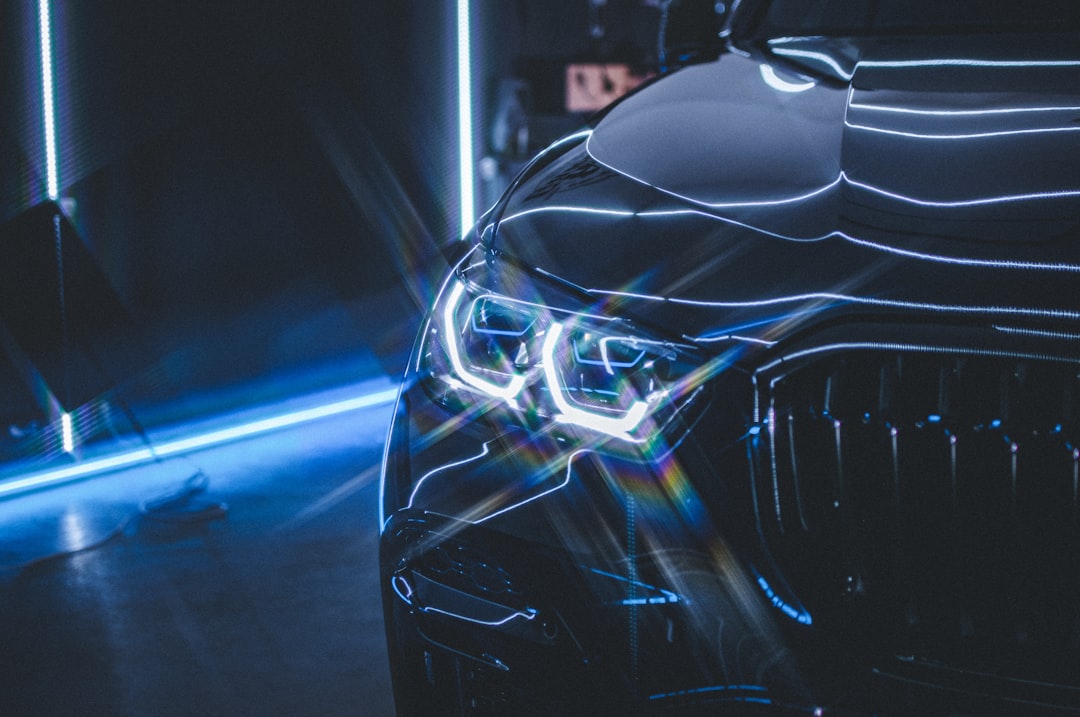
Vehicle Photography Tips for Dealers: Listing Photos That Sell
Bottom Line Up Front: Poor vehicle photography is costing you qualified leads. Stores that standardize their photo process see 20-30% more VDP-to-lead conversions than dealers running amateur shots. Your photography directly impacts days to turn, and in today’s digital-first market, the quality of your vehicle photography tips for dealers implementation determines whether shoppers engage or scroll past your inventory.
Online Presence Foundations
Website Performance: What Actually Drives VDP Views to Leads
Your VDPs are digital showroom floors, and photo quality is your first sales step. When you pull conversion reports from your DMS, look beyond total web traffic — focus on the VDP-to-lead ratio. Top-performing stores see conversion rates above 8% from VDP views to form submissions or phone calls.
Photo sequence matters more than photo count. Lead with your hero shot (front three-quarter angle), follow with interior dashboard view, then cycle through exterior angles. Your photography workflow should mirror how a customer walks your lot — they see the car from the curb, then look inside, then walk around.
The technical specs your photographer needs: minimum 1200px width, consistent lighting across all shots, and neutral backgrounds that don’t compete with the vehicle. Avoid creative angles — shoppers want to see the car clearly, not your photographer’s artistic vision.
Google Business Profile: The Free Lead Source Most Dealers Underwork
Your Google Business Profile photos section should include fresh inventory shots, not just facility photos. Upload 3-5 current inventory photos weekly to keep your profile active. Google’s algorithm favors businesses that regularly update their profiles, which improves your local search visibility.
Most dealers miss this: use your Google posts feature to highlight specific inventory with professional photos. These posts appear in local search results and cost you nothing but the time to upload a quality photo with vehicle details.
Inventory Merchandising: Photos, Descriptions, and Pricing That Convert
Standardize your photo count and angles across all inventory. Inconsistent photo quality signals poor attention to detail — exactly what buyers worry about when considering your service department or F&I process.
Essential shot list for every unit:
- Front three-quarter (hero shot)
- Interior dashboard and front seats
- Rear three-quarter
- Side profile (driver’s side)
- Engine bay (for used vehicles)
- Key features (sunroof, upgraded wheels, technology screens)
Recon before photos, not after. Schedule photography as the final step in your recon process. Trying to touch up photos digitally costs more than washing the car properly and fixing minor issues upfront.
Your pricing strategy affects photo performance too. Overpriced inventory with great photos still doesn’t move — but market-priced inventory with poor photos gets skipped entirely. The photos get them to engage; the price gets them to call.
Mobile Experience: The 3-Second Test
Over 70% of your VDP traffic comes from mobile devices. Your photos must load fast and display clearly on phone screens. Test your own inventory pages on your phone — if photos take more than 3 seconds to load or look pixelated, you’re losing shoppers to competitors.
Mobile users swipe through photos differently than desktop users. Your hero shot needs to sell the car immediately because mobile shoppers decide within the first few seconds whether to continue browsing or move on.
Search and Paid Strategy
Local SEO: Owning Your Market in Organic Results
Vehicle photography impacts your local SEO more than most dealers realize. Google’s algorithm considers user engagement metrics — how long people stay on your VDPs, whether they click through multiple photos, and if they take action after viewing.
High-quality photos increase page dwell time, which signals to Google that your content is valuable. Poor photos cause quick bounces, which hurts your search rankings over time.
Name your photo files strategically: “2023-honda-accord-exterior-front.jpg” instead of “IMG_4829.jpg”. This helps search engines understand your content and can improve your visibility in Google Images searches.
Google Ads for Dealers: Campaign Structure That Doesn’t Waste Budget
Your vehicle photos directly impact your Google Ads quality scores. When running inventory ads, Google evaluates the landing page experience — including how quickly your photos load and how relevant they are to the search query.
Structure your inventory campaigns by vehicle type (sedans, SUVs, trucks) and use high-quality photos as your primary ad creative. Poor photos drag down your quality scores, which increases your cost-per-click and reduces ad visibility.
Most dealers waste budget by running all inventory through generic campaigns. Segment your inventory ads by photo quality — put your best-photographed units in higher-budget campaigns and use lower-quality inventory for remarketing to warm traffic only.
Conquest vs. Brand Campaigns: Where to Allocate
Brand campaigns can run with standard photography because shoppers already know your dealership. Conquest campaigns need premium photography because you’re competing against multiple dealers for the same shopper’s attention.
Allocate 60-70% of your digital budget to conquest campaigns, but only promote inventory with professional-quality photos in these campaigns. Running poorly photographed inventory in conquest campaigns wastes money — shoppers will choose competitors with better visual presentation.
Measuring Cost-Per-Lead and Cost-Per-Sale (Not Just Cost-Per-Click)
Track your cost-per-lead by photo quality. Pull reports comparing lead generation from well-photographed inventory versus poorly photographed inventory. You’ll typically see 2-3x better performance from professional photos.
Your marketing reports should segment performance by photo quality, not just by vehicle type or price range. This data helps you prioritize which inventory gets professional photography first and proves ROI on photography investments.
Social Media That Actually Moves Metal
Platforms That Generate Leads vs. Platforms That Build Brand
Facebook and Instagram drive actual leads when you showcase inventory with quality photos. LinkedIn and Twitter build brand awareness but rarely generate car sales for retail dealers.
Focus your photography budget on inventory content for Facebook and Instagram. These platforms favor visual content, and their advertising tools let you target in-market car shoppers effectively.
Content Types by Platform
Facebook inventory posts work best with multiple angles in a carousel format. Include the hero shot first, then interior, then feature shots. Write captions that highlight key selling points — mileage, features, price advantages.
Instagram favors single high-impact photos over carousels. Use your hero shot with vehicle details in the caption and relevant hashtags for local discovery.
Video walkarounds outperform static photos on both platforms, but only if your sales team can present professionally. Poor video quality hurts more than it helps — stick to professional photos if you can’t produce quality video content consistently.
Paid Social Targeting for Auto: What Works and What’s Burned Budget
Target lookalike audiences based on your service customers, not just sales customers. Service customers represent a broader local audience and often convert better for conquest campaigns.
Use your best-photographed inventory for paid social campaigns. Facebook’s algorithm favors high-engagement content, so professional photos get more reach for the same budget.
Avoid targeting by specific vehicle interest unless you have premium inventory. Broad local targeting with quality photos often outperforms narrow vehicle-specific targeting because shoppers’ preferences change when they see compelling inventory.
Review Generation as a Social Strategy
Post photos of happy customers with their new vehicles. These delivery photos serve dual purposes — they generate social proof and showcase your inventory quality to future shoppers.
Always get written permission before posting customer photos, and make the photos about the vehicle, not just the people. These posts typically generate higher engagement than inventory-only posts because they show real satisfaction.
Lead Capture and Speed-to-Lead
Website Conversion Optimization
High-quality photos reduce friction in your lead capture process. When shoppers see professional photos, they’re more likely to submit contact information because the photos signal professionalism and trustworthiness.
Place your contact forms strategically within photo galleries — after the hero shot and interior shots, when engagement is highest. Avoid interrupting the photo viewing experience with aggressive popups that trigger before shoppers see enough photos to get interested.
Click-to-call buttons work better when placed near high-quality photos. Poor photos make shoppers less likely to call because they assume the vehicle won’t meet expectations.
The 5-Minute Rule: Why Response Time Is Your #1 Lever
Quality photos buy you response time flexibility, but don’t waste the advantage. Well-photographed inventory generates more patient leads — shoppers who’ve seen compelling photos will wait longer for your response than those who submitted leads based on price alone.
However, speed still matters most. Lead response within 5 minutes increases connection rates by 10x compared to leads contacted after an hour, regardless of photo quality.
Lead Routing to BDC vs. Floor
Route leads from premium-photographed inventory directly to your strongest closers. These leads typically have higher intent and convert at better rates.
Route leads from poorly photographed inventory through your BDC for qualification first. These leads need more nurturing because the photos didn’t create strong initial interest.
Attribution: Knowing Which Spend Actually Sold a Car
Track sold units back to photo quality, not just marketing source. You might discover that your lowest-cost leads come from specific photographers or photo processes.
Most dealers track cost-per-lead by advertising source but miss photo quality as a conversion factor. Add photo quality ratings to your CRM lead records to identify which photography investments actually drive sales.
Reporting for the Dealer Principal
The Monthly Marketing Dashboard That Matters
Your monthly marketing reports should include VDP-to-lead conversion rates by photo quality. This metric connects your photography investment directly to lead generation.
Track average days to turn by photo quality tier. Well-photographed inventory typically turns 15-20% faster than poorly photographed comparable units.
Include cost-per-sold-unit by photography source. If you use multiple photographers or processes, this data shows which delivers the best ROI.
What to Demand From Your Agency or Vendor
Require specific photo delivery standards: minimum resolution, required angles, turnaround time from shoot to upload. Most agencies will meet standards you set but won’t exceed them without clear expectations.
Demand monthly reporting that connects photo quality to lead performance. Your agency should track which photography drives actual leads, not just which photos get the most views.
If you outsource photography, require backup coverage plans. One sick photographer shouldn’t halt your inventory merchandising for a week.
Budget Allocation Framework: Digital vs. Traditional
Allocate photography budget before advertising budget. Professional photos improve ROI across all marketing channels — website, social media, paid advertising, and even traditional media if you still use it.
Generally, photography should represent 2-3% of your total marketing budget. This small investment improves performance across all other marketing spend.
How to Hold Marketing Accountable to Sold Units
Connect every marketing investment to inventory turn rates. Photography, advertising, social media — everything should ultimately drive faster inventory turns and higher grosses.
Monthly managers meetings should review marketing performance by sold units per marketing dollar spent, not by leads generated or clicks delivered. Marketing succeeds when it moves metal profitably.
FAQ
Q: How many photos do I need per vehicle?
Most successful dealers use 15-25 photos per vehicle, covering all exterior angles, interior shots, engine bay, and key features. More photos typically generate more leads, but quality matters more than quantity.
Q: Should I invest in professional photography or train my own team?
Professional photography typically delivers better ROI unless you can commit to proper training, equipment, and consistent processes for your internal team. Most dealers underestimate the time investment required for quality in-house photography.
Q: How often should I update photos for long-term inventory?
Refresh photos every 60-90 days for units sitting longer than average days to turn. New photos can reignite interest from shoppers who previously viewed the listing, and fresh photos signal active management to search engines.
Q: Do night shots or creative angles help vehicles stand out?
Stick to clear, well-lit photos that showcase the vehicle honestly. Creative shots might get attention but typically don’t convert as well as straightforward photography that lets shoppers evaluate the vehicle clearly.
Q: How do I measure photo ROI across different inventory price points?
Track VDP-to-lead conversion rates and days to turn by photo quality and price segment. Higher-priced inventory typically justifies premium photography investment, but the performance data will show you the exact break-even points for your market.
Conclusion
Your vehicle photography directly impacts every other marketing investment you make. Professional photos improve your website conversions, search rankings, social media performance, and paid advertising ROI simultaneously. Dealers who treat photography as an afterthought leave qualified leads on the table daily.
The best photography strategy focuses on consistency and quality over creativity. Shoppers want to see your inventory clearly and professionally — save the artistic shots for your facility and team photos.
Start by standardizing your photo process for all inventory, then track the performance improvements in your monthly managers meetings. The investment in proper vehicle photography pays for itself through faster turns and higher lead conversion rates.
CarDealership.com’s integrated platform helps dealers capture more leads from their inventory investment and track marketing performance through to sold units. Our CRM and marketing automation tools are built specifically for auto retail, giving you the attribution reporting you need to optimize your photography and marketing spend for maximum ROI.
