
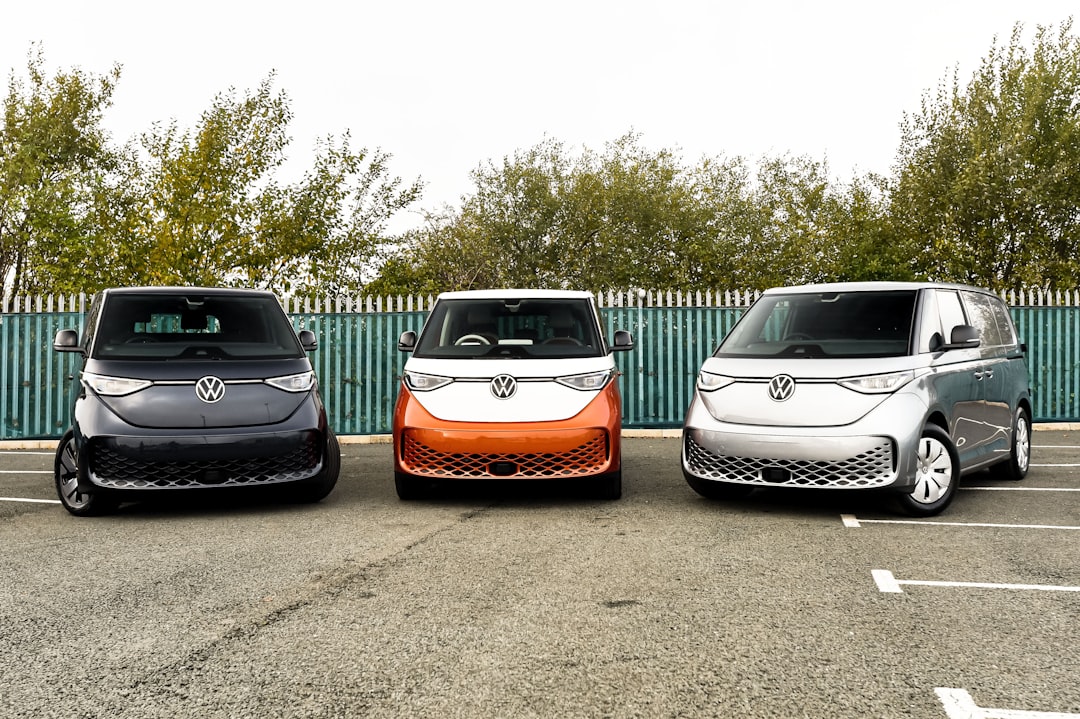
How to Sell EVs at Your Dealership: Training and Techniques
Bottom Line Up Front: Your EV sales success depends on repositioning the conversation from price objections to value demonstration — specifically range confidence, charging convenience, and total ownership benefits. Stores that nail EV sales training see 20-30% higher closing rates on electric inventory and stronger front-end grosses because they’re selling solutions, not just vehicles.
Market Context: The EV Sales Reality
Your customers are walking onto your lot with more EV research than they’ve ever done for any purchase — and more misconceptions. They’ve read about range anxiety, charging infrastructure, and tax incentives, but they’re still unclear on what it means for their daily drive. This creates a massive opportunity for stores that can bridge that knowledge gap effectively.
The competitive pressure isn’t just coming from Tesla anymore. Your manufacturer partners are pushing EV allocation, OEM incentives are shifting toward electric models, and your service department needs to understand the long-term revenue implications. Meanwhile, most of your sales team is still treating EVs like complicated ICE vehicles instead of positioning them as a fundamentally different ownership experience.
Here’s what the revenue impact looks like: Stores that develop strong EV sales processes see higher front-end grosses because customers focus less on traditional price shopping when they understand the total value proposition. Your F&I department benefits from expanded menu offerings around charging solutions and protection products. But stores that fumble EV sales watch these units become lot rot while missing out on manufacturer EV sales bonuses.
The Strategy Framework: What Top Performers Do Differently
Core Principles for EV Sales Excellence
Lead with lifestyle fit, not product features. Your best EV salespeople don’t start with battery size or motor specs — they uncover how the customer drives, where they park, and what their daily routine looks like. This isn’t about being a charging consultant; it’s about demonstrating that you understand their real concerns.
Position charging as convenience, not compromise. The stores crushing EV sales have flipped the charging conversation. Instead of defending against range anxiety, they’re showing customers how home charging eliminates gas station stops and how road trip charging has become simpler than most people realize.
Integrate your service department early. Your top EV performers bring service advisors into the sales process to explain maintenance savings and schedule the customer’s first service appointment during delivery. This builds confidence and creates a service relationship from day one.
Implementation Timeline
Week 1-2: EV product knowledge intensive for your sales team. Every salesperson needs to understand charging speeds, home installation basics, and manufacturer charging networks. Run drive events where your team experiences the vehicles as customers would.
Week 3-4: Develop your EV discovery process and practice scenarios. Create talk tracks around common objections and role-play until your team can handle charging questions confidently.
Week 5-6: Integrate EV-specific steps into your CRM and establish your follow-up cadence for EV prospects. Test your process with real customers and refine based on results.
ROI typically shows within 60 days as your closing rates improve and your EV inventory turns faster.
Sales Floor Execution: The EV Road-to-the-Sale
Discovery Process Changes
Your traditional needs analysis expands significantly for EV prospects. Beyond budget and vehicle preferences, you’re uncovering:
- Daily driving patterns: Commute distance, frequent destinations, road trip frequency
- Home situation: Garage access, electrical capacity, HOA restrictions
- Current fueling habits: Where they gas up, how often, what they spend monthly
- Technology comfort level: Smartphone usage, app comfort, payment preferences
The key insight: Customers who can charge at home are completely different prospects than those relying on public charging. Your discovery needs to identify this early and adjust your presentation accordingly.
Presentation and Demo Strategy
Start with a standard drive, then demonstrate EV-specific benefits. Don’t make the mistake of turning your demo into a charging tutorial. Drive the vehicle normally first — let them experience the instant torque, quiet cabin, and handling. The EV benefits become more compelling after they’ve connected with the driving experience.
Use your smartphone during the demo. Show them how charging apps work, where nearby charging stations are located, and how to monitor charging status. This hands-on demonstration builds confidence more effectively than explaining it at your desk.
Address range anxiety with their specific use case. Instead of quoting EPA range numbers, calculate their daily driving needs and show the buffer. “Your 40-mile commute uses about 25% of your battery, so you could skip charging for two days and still make it home comfortably.”
T.O. and Desk Involvement Points
Your desk manager needs to get involved differently on EV deals. The T.O. should happen after the customer understands charging basics but before pricing discussions. This lets your manager reinforce the value proposition and handle any technical objections your salesperson couldn’t overcome.
Manager involvement points:
- After initial test drive to reinforce EV benefits
- During charging infrastructure discussion if customer has concerns
- Before F&I to ensure proper incentive and tax credit explanation
- At delivery to review charging setup and first-month expectations
CRM and Process Integration
Tracking EV-Specific Data Points
Your CRM needs to capture different information for EV prospects. Beyond standard vehicle preferences and contact info, you’re tracking:
- Home charging capability (garage, electrical, installation timeline)
- Current vehicle (ICE, hybrid, or EV experience level)
- Charging concerns (range, cost, convenience, time)
- Incentive eligibility (federal tax credit, state rebates, utility programs)
Set up automated triggers for EV prospects who don’t purchase immediately. These customers often need time to arrange home charging installation or research incentives further.
Follow-Up Cadence for EV Prospects
EV prospects require different follow-up timing than traditional vehicle shoppers. Many need 2-3 weeks to research charging installation or discuss the decision with family members who haven’t experienced EVs.
Your EV follow-up sequence:
- Day 1: Thank you and charging resource packet
- Day 3: Check-in call addressing any concerns from their visit
- Week 1: Share relevant EV ownership stories from existing customers
- Week 2: Update on any incentive changes or new charging infrastructure
- Month 1: Invite to EV owner events or charging infrastructure updates
Automation and Nurture Strategy
CarDealership.com’s CRM platform lets you set up automated nurture campaigns specifically for EV prospects, delivering educational content about charging, incentives, and ownership benefits while your salespeople focus on closing ready buyers.
Set up separate email campaigns for different EV prospect segments:
- First-time EV buyers: Focus on education and reassurance
- Tesla cross-shoppers: Emphasize dealer service and support advantages
- Luxury EV prospects: Highlight premium ownership experience and concierge services
Measuring Results: KPIs and Benchmarks
Daily and Weekly Metrics
Track your EV metrics separately from overall sales performance. The sales cycle, closing techniques, and customer journey are different enough that you need distinct measurement.
Daily tracking:
- EV test drive to demo conversion rate (target: 65%+)
- EV prospect to qualified buyer progression
- Average time spent with EV prospects vs. ICE prospects
- Charging-related objections by salesperson
Weekly analysis:
- EV closing rate by salesperson (top performers: 18-22%)
- Average front-end gross on EV deals vs. ICE
- EV inventory turn rate vs. total used inventory
- Be-back rate for EV prospects (should be higher due to research time needed)
30/60/90 Day Review Framework
30 days: Focus on process adoption. Are your salespeople comfortable with EV discovery questions? Can they handle basic charging objections? Are they demonstrating vehicles effectively?
60 days: Measure closing rate improvements and identify your strongest EV performers. Which talk tracks work best? What objections still cause deals to stall?
90 days: Analyze the full sales cycle including service integration and customer satisfaction. Are your EV customers becoming service customers? What’s their CSI compared to ICE buyers?
Benchmark targets for established EV sales programs:
- 15-20% closing rate on EV prospects
- 10-15% higher front-end gross vs. comparable ICE vehicles
- Under 60 days inventory turn on EV stock
- 25%+ of EV buyers schedule service within first 90 days
Common Pitfalls: Why EV Sales Programs Fail
The Product Knowledge Trap
Most stores over-invest in technical training and under-invest in sales process development. Your salespeople don’t need to become EV engineers — they need to handle customer concerns confidently and know when to involve technical resources.
The fix: Spend 30% of your training time on product knowledge and 70% on sales process, objection handling, and customer scenarios.
Manager Buy-In Challenges
Your biggest challenge isn’t training your sales team — it’s getting your desk managers and F&I team aligned on the EV sales process. If your managers don’t understand EV value proposition, they can’t support the longer sales conversations or different closing techniques.
Solution: Train your management team first. They need to experience the vehicles, understand the charging infrastructure, and practice the value proposition before they can coach your salespeople effectively.
Sustainability Issues
Most EV sales initiatives lose momentum after 60-90 days when the initial enthusiasm wears off. The stores that sustain EV sales success integrate it into their standard processes rather than treating it as a special program.
Make EV sales part of your regular training rotation, include EV metrics in your standard sales meetings, and celebrate EV success stories alongside traditional sales wins.
Frequently Asked Questions
How long does it take to train a salesperson to sell EVs effectively?
A competent salesperson can handle basic EV sales conversations within two weeks of focused training, but developing real expertise takes 60-90 days of consistent practice and customer interaction. The key is getting them comfortable with charging discussions and objection handling, not making them technical experts.
Should we hire EV specialists or train our existing team?
Train your existing team first — good salespeople can learn EV sales, but EV enthusiasts can’t necessarily learn to close deals. Consider hiring EV specialists only after your current team is proficient and you have consistent EV traffic.
How do we handle customers who want to compare our EVs to Tesla?
Position it as a service and support comparison, not a product comparison. Tesla sells direct, but you provide local service, warranty support, and a relationship-based ownership experience. Focus on total cost of ownership and long-term value rather than competing on specifications.
What’s the biggest mistake stores make with EV sales?
Making it too complicated. Customers want to know if the vehicle fits their lifestyle, not understand battery chemistry. Keep the focus on benefits and solutions, not technical specifications.
How do manufacturer incentives affect our EV sales approach?
Use incentives to reinforce value rather than lead with them. Customers who buy based primarily on incentives often have buyer’s remorse. Build value first, then present incentives as additional confirmation they’re making the right decision.
Making EV Sales Success Sustainable
The dealerships winning with EV sales treat them as an evolution of their existing sales process, not a completely separate skill set. Your investment in EV sales training pays dividends beyond just moving electric inventory — it develops consultative selling skills that improve your team’s performance across all vehicle types.
The key to long-term success is integration. EV sales techniques become part of how your team discovers customer needs, demonstrates value, and handles objections on every deal. When selling EVs at your dealership becomes as natural as any other sales conversation, you’ll see the impact on both your electric inventory performance and your overall sales effectiveness.
CarDealership.com’s integrated CRM and marketing platform helps hundreds of dealerships automate their EV prospect nurturing, track the metrics that matter, and deliver the educational content that builds buyer confidence. Our dealer-specific tools let you implement these EV sales strategies without adding administrative burden to your sales team, so they can focus on what they do best — closing deals and building customer relationships.
