
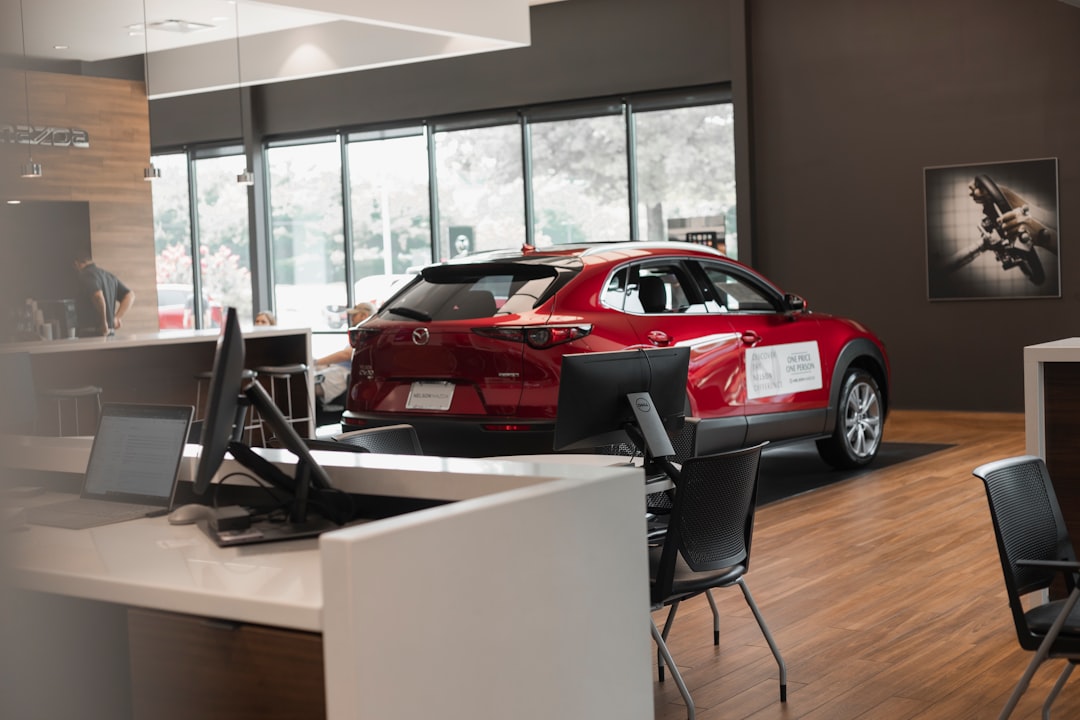
Used Car Dealer Business Plan: Template and Financial Projections
Bottom Line Up Front: The Template That Actually Works
Your used car dealer business plan isn’t about impressing a bank loan officer — it’s your operational blueprint for hitting front-end gross targets, managing floor plan costs, and building service absorption that protects your store from market volatility. The dealers who survive and thrive treat their business plan as a living document that drives weekly management meetings, not a one-time exercise gathering dust in a filing cabinet.
The difference between top-decile independent used car stores and the rest comes down to disciplined execution across five core areas: financial controls that prevent cash flow disasters, people systems that reduce turnover costs, sales processes that standardize your best month’s performance, fixed ops that generate predictable revenue, and strategic planning that positions you ahead of market shifts.
CarDealership.com powers hundreds of dealerships with integrated CRM and marketing automation built specifically for auto retail, and we’ve seen the operational patterns that separate winners from the stores that struggle to survive their first recession.
Financial Management: Reading the Numbers Like a 20 Group Moderator
Your P&L Structure: What Really Drives Profitability
Your dealership’s financial health lives and dies on three gross profit levers: front-end vehicle gross, back-end F&I production, and fixed operations absorption. Most independent used car dealers focus exclusively on front-end gross while leaving thousands in back-end PVR on the table and treating service as an afterthought.
Front-end gross management starts with your acquisition strategy and days-to-turn targets. When you pull your DMS aging report, anything over 60 days should trigger immediate pricing action or wholesale decisions. Your cost structure should target gross margins that can absorb the inevitable mini deals while maintaining department profitability.
Back-end revenue often represents the difference between profit and breaking even. Independent stores typically see lower F&I penetration than franchise dealers, but that’s leaving money on the table. Your F&I manager should be tracking PVR by product, not just total back-end gross.
Cash Flow and Floor Plan Management
Floor plan management separates profitable stores from those that get squeezed during market downturns. Your days-to-turn target should drive inventory mix decisions, not just pricing strategy. When you’re carrying 45+ day inventory, you’re paying floor plan costs that eat into gross faster than most dealers realize.
Set up your floor plan reporting to show true carrying costs per unit, including insurance, lot rent allocation, and opportunity cost. This visibility changes how your sales managers think about pricing older inventory and helps your desk make smarter trade decisions.
Department P&L Accountability
Each department head should own their P&L like they’re running their own business. Your sales manager needs to see how front-end gross, volume, and expenses flow to department profit. Your service manager should track absorption rate, customer pay revenue mix, and per-RO averages monthly.
Expense control without cutting muscle means understanding which costs drive revenue and which are just overhead. Your advertising spend should tie directly to lead generation and closing ratios. Your pay plan costs should correlate with production increases. Your facility costs should support revenue capacity, not just provide a nicer environment.
People Strategy: Building Teams That Stay and Perform
Recruiting in a Tight Labor Market
The automotive retail talent pool is shallow, and independent dealers compete against franchise stores with better benefits and brand recognition. Your competitive advantage in recruiting comes from culture, compensation structure, and career development opportunities that larger dealer groups can’t match.
Build relationships with automotive programs at local community colleges and technical schools. Partner with other independent dealers in non-competing markets to share recruiting strategies and reference candidates. Your best salespeople and technicians often know others in the industry who might be open to opportunities.
Compensation Design That Attracts and Retains
Your pay plans need to attract top performers while protecting profitability during slower months. Graduated commission structures that reward volume help retain productive people during market downturns. Spiffs and bonuses tied to specific behaviors — like F&I product sales or CSI scores — drive the activities that improve department performance.
Service department compensation should balance productivity incentives with quality metrics. Flat rate plus quality bonuses often outperform straight flat rate or hourly structures for retaining skilled technicians.
Training That Sticks: Cadence and Accountability
Most dealership training fails because it lacks consistent follow-up and measurement. Your training program should include weekly skill development, monthly assessments, and quarterly reviews that tie directly to pay plan advancement.
Role-playing sessions for sales staff should focus on objection handling specific to your price point and customer base. Service advisors need ongoing training in upselling and customer communication. F&I training should emphasize compliance alongside production techniques.
Performance Management: Save-or-Separate Frameworks
Document performance expectations clearly and review progress monthly. Your top performers need development opportunities and advancement paths. Your middle performers need specific improvement plans with deadlines. Your bottom performers need clear expectations and consequences.
90-day performance improvement plans work better than immediate termination for addressing skill gaps, but only when you follow through consistently. Poor performers who don’t improve drag down team morale and department profitability.
Sales Department Optimization: Process Standardization
Why Your Best Month Should Be Your Average Month
Process standardization eliminates the performance volatility that kills cash flow predictability. Your sales process should produce consistent results regardless of which salesperson works the deal or what day of the month it is.
Desking discipline starts with consistent trade appraisals, market-based pricing, and F&I presentation standards. Your desk should follow the same steps for every deal, with documented decision criteria for approval levels and deal structure.
Track your closing ratios by salesperson, lead source, and deal type. This data reveals which processes work and which need improvement. Your CRM should capture enough detail to identify patterns in your pipeline conversion.
Pipeline Management and Forecast Accuracy
Your BDC and sales team should maintain pipeline visibility that supports accurate monthly forecasting. Track leads from first contact through delivery, with defined stages and conversion timeframes.
Forecast accuracy improves when you base projections on pipeline activity rather than hoping for traffic increases. Your weekly managers meetings should review pipeline health, not just current month deliveries.
Variable Ops vs. Fixed Ops Balance Sheet Health
Independent used car dealers often underestimate the importance of service absorption for overall financial stability. Variable operations create lumpy cash flow based on market conditions and inventory availability. Fixed operations generate predictable monthly revenue that smooths out the peaks and valleys.
Your business plan should target service absorption rates that cover facility costs and contribute to overall profitability. This typically means service department gross profit should cover 40-60% of total dealership expenses.
Fixed Operations Growth: Service Absorption Strategy
Service Absorption: The Benchmark That Protects Your Store
Service absorption measures your fixed operations department’s ability to cover dealership expenses through parts and service gross profit. Top-performing independent stores achieve 45%+ service absorption, providing a financial cushion during slow sales periods.
Build your service customer base through retention programs that bring sold customers back for maintenance and repairs. Your service marketing should target both existing customers and conquest opportunities in your market area.
Parts Margin Optimization
Parts sales often represent the highest-margin revenue in your dealership. Optimize your parts pricing based on market conditions, not just cost-plus formulas. Emergency repairs and hard-to-find parts command premium pricing, while routine maintenance items may need competitive pricing to build customer loyalty.
Maintain parts inventory levels that support service department productivity without tying up excessive cash in slow-moving stock. Your DMS should track parts aging and movement to optimize ordering patterns.
Service Marketing and Retention
Customer retention costs less than customer acquisition and generates higher lifetime value. Your service department should maintain regular communication with sold customers through maintenance reminders, seasonal promotions, and educational content.
Digital marketing for service should target local customers searching for specific repair services, not just brand-based keywords. Your online reputation management becomes critical since service customers often research shops before scheduling appointments.
Revenue Mix: Customer Pay vs. Warranty vs. Internal
Customer pay work generates higher margins and profit than warranty or internal work. Your service advisor training should emphasize upselling opportunities and maintenance recommendations that bring customers back regularly.
Internal work — reconditioning inventory, addressing trade-in issues, preparing deliveries — should be tracked separately and charged at realistic rates that reflect true costs and profit requirements.
Strategic Planning: Positioning for Long-term Success
Market Analysis and Competitive Positioning
Your competitive analysis should identify other independent dealers, franchise used car operations, and online retailers serving your market. Understand their pricing strategies, inventory mix, and customer service approaches to identify differentiation opportunities.
Market positioning for independent dealers often emphasizes personal service, flexible financing, and local ownership advantages that larger competitors can’t match. Your marketing message should highlight these differentiators consistently.
Technology Evaluation and Digital Transformation
Your technology stack should integrate seamlessly to eliminate duplicate data entry and improve customer experience. Your DMS, CRM, and marketing automation platforms should share customer information and activity tracking.
Website performance, online reputation management, and digital marketing effectiveness directly impact lead generation costs and closing ratios. Budget for technology improvements that support revenue growth, not just operational convenience.
Multi-store and Acquisition Readiness
Growth planning should address management systems, financing capacity, and operational scalability before you need them. Your second location will require different management approaches than your original store.
Acquisition opportunities often arise quickly in the independent dealer market. Maintain relationships with business brokers, understand typical deal structures, and keep your financial statements current and clean.
Succession Planning
Business succession planning protects your investment and provides security for employees and customers. Whether you plan to sell to employees, family members, or outside buyers, early planning creates more options and better outcomes.
Document your operational procedures, customer relationships, and vendor agreements to support business valuation and transition planning. Professional business appraisals help establish realistic expectations and planning timelines.
FAQ
What financial benchmarks should independent used car dealers target?
Target front-end gross of $2,000-4,000 per unit depending on your price point, back-end PVR of $800-1,500 per deal, and service absorption of 45%+ of total dealership expenses. Your days-to-turn should average under 45 days to minimize floor plan costs.
How much working capital do I need to start an independent used car dealership?
Plan for 6-12 months of operating expenses plus floor plan credit lines that support your target inventory levels. Most successful independents start with $200,000-500,000 in working capital beyond their initial inventory investment.
What’s the most important operational metric for independent dealers?
Cash flow management trumps all other metrics because it determines survival during market downturns. Monitor days-to-turn, accounts receivable aging, and service absorption weekly to maintain healthy cash flow.
How do I compete against franchise dealers and online retailers?
Focus on personal service, flexible financing options, and local market knowledge that larger competitors can’t match. Build customer relationships through service retention and referral programs that create competitive moats.
What technology investments provide the best ROI for independent dealers?
Integrated CRM and marketing automation platforms that connect lead generation, sales process, and customer retention provide measurable ROI through improved closing ratios and repeat business. Prioritize tools that eliminate manual processes and improve customer communication.
Your Blueprint for Sustainable Growth
A successful used car dealer business plan balances aggressive growth targets with conservative cash flow management. The dealers who build lasting businesses focus on operational excellence, team development, and customer retention rather than just chasing monthly sales volume.
Your business plan should drive weekly management decisions, monthly performance reviews, and quarterly strategic adjustments. The most successful independent dealers treat planning as an ongoing process that adapts to market conditions while maintaining core operational disciplines.
CarDealership.com’s integrated platform helps independent dealers capture more leads, streamline sales processes, and build customer retention programs that drive long-term profitability. Our CRM and marketing automation tools are designed specifically for automotive retail, helping stores optimize the operational areas that separate top performers from the competition. Book a demo today to see how the right technology platform supports your business plan execution and drives measurable results across your entire operation.
