
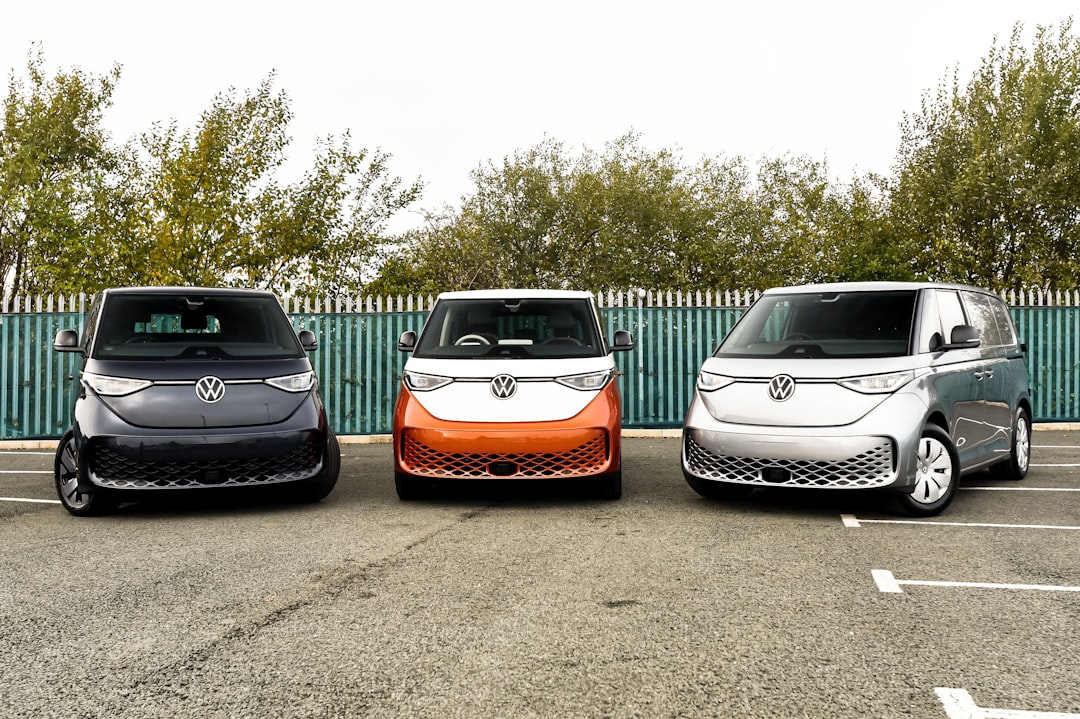
Dealership EV Transition Guide: Preparing for the Electric Future
Bottom Line Up Front
Your dealership EV transition isn’t about inventory allocation or charging stations — it’s about completely rethinking your sales process before your competition does. Stores that master the EV customer journey early will capture disproportionate market share and command premium grosses, while dealers who wait will find themselves chasing price and losing deals to stores that understand how to sell electric.
Market Context
The EV Customer Changes Everything
Your traditional road-to-the-sale just broke. EV shoppers don’t follow conventional buying patterns, and they’re reshaping how you need to structure deals from first contact through delivery.
These buyers research differently — they’re comparing charging networks, energy costs, and federal credits before they even think about monthly payments. They’re coming to your lot with questions your salespeople can’t answer yet, and they’re walking when your team defaults to horsepower and zero-percent financing talk tracks.
The revenue opportunity is massive. Early EV adopters typically have higher household incomes and stronger credit profiles. They’re more likely to buy F&I products, especially extended warranties and maintenance plans, because electric powertrains feel foreign. Your back-end PVR on EV deals can run 15-20% higher than traditional ICE transactions when you position correctly.
But here’s what most dealers miss: EV buyers also have the highest be-back rates in the industry. They’ll visit multiple stores, test drive extensively, and take weeks to decide. If your CRM follow-up and sales process isn’t built for long consideration cycles, you’re bleeding gross profit to competitors who stay in the game longer.
Competitive Pressure Points
Direct-to-consumer brands like Tesla set the expectation for transparent pricing and streamlined purchases. Your EV customers expect your process to feel similar — less negotiation, more consultation, and clear value propositions.
Meanwhile, your OEM is probably pushing EV inventory allocation targets while your floor plan costs climb on units that turn slower. The math only works if you’re converting at higher rates and holding gross.
The Strategy Framework
Core Principles From Top Performers
Principle 1: EV Sales Are Consultative, Not Transactional
Leading stores treat EV sales more like commercial truck deals — lots of needs analysis, lifestyle fit discussions, and long-term cost comparisons. Your salespeople need to become energy consultants, not just feature presenters.
Principle 2: The Desk Gets Involved Earlier
EV deals have more moving parts — federal credits, state rebates, utility incentives, charging installations, and trade considerations around gas versus electric values. Your best closers need to participate in the initial presentation, not just the negotiation.
Principle 3: Follow-Up Intensity Doubles
Plan for 8-12 touchpoints over 60-90 days for serious EV prospects. These buyers need time to process range considerations, charging logistics, and family buy-in. Your CRM sequences need to reflect this reality.
Implementation Framework
Week 1-2: Sales Team Training
Start with product knowledge, but focus on objection handling and lifestyle positioning. Your team needs confident answers on charging times, range in cold weather, maintenance differences, and total cost of ownership.
Run role-plays around the most common scenarios: the spouse who’s range-anxious, the customer comparing to Tesla’s pricing model, and the buyer who’s confused about tax credits and rebates.
Week 3-4: Process Integration
Modify your demo drives to include charging station visits and range discussions. Build charging infrastructure conversations into your needs analysis. Update your CRM to track EV-specific objections and follow-up triggers.
Week 5-6: Desk Training and F&I Alignment
Train your managers on incentive stacking and credit applications that factor in energy savings. Work with your F&I team on product positioning — warranty plans that cover battery degradation, maintenance packages for unfamiliar technology, and gap insurance for evolving residual values.
Resource Requirements and ROI Timeline
Expect 30-45 days to see meaningful conversion improvements. Budget for additional training hours, updated marketing materials, and longer sales cycles in your forecasting.
The investment pays back quickly — stores executing this framework typically see 25-30% higher closing rates on EV prospects and significantly better grosses because customers perceive more value in the consultation process.
Sales Floor Execution
Redefining Your Road-to-the-Sale
Meet and Greet: Add questions about current driving patterns, daily mileage, and home parking situations. You’re qualifying for lifestyle fit, not just payment ability.
Demo Drive: Make it a charging station tour. Show them how to plug in, what the navigation looks like when planning longer trips, and how regenerative braking feels different. Let them experience the acceleration, but connect it to efficiency, not just performance.
Presentation: Focus on total cost of ownership, not monthly payments. Use comparison worksheets that factor in fuel savings, maintenance reductions, and available incentives. Make the math visual and take-home.
Training and Talk Tracks
Range Anxiety Response: “Most customers find they’re charging at home 90% of the time, so daily range becomes less relevant than convenience. Let’s look at your typical weekly driving and see how this fits.”
Charging Time Objection: “The charging conversation changes when you think about it like your phone — you plug in when parked, not when empty. Home charging happens overnight, and DC fast charging on road trips takes about as long as a bathroom break and grabbing coffee.”
Price Comparison: “When we factor in your fuel savings, available incentives, and reduced maintenance, let’s see what your actual monthly cost looks like compared to a similar gas vehicle.”
Role-Play Scenarios for Sales Meetings
Scenario 1: The Tesla Comparison
Customer says: “Tesla’s pricing is more straightforward, and I don’t have to negotiate.”
Response framework: Acknowledge Tesla’s approach, then pivot to service, relationship, and total ownership experience. “You’re right about their pricing model. Here’s what we offer differently — local service when you need it, a relationship for trade-ins and future purchases, and our manufacturer’s warranty support right here in town.”
Scenario 2: The Reluctant Spouse
Customer’s spouse is concerned about charging infrastructure and range.
Response framework: Address concerns with data and local examples. Offer a extended demo or overnight trial. “Let’s map out your typical monthly driving and show you exactly where charging stations are on routes you actually take.”
T.O. and Desk Involvement Points
First T.O.: When range or charging concerns arise that need technical expertise.
Second T.O.: During incentive discussion — managers need to handle the complexity of stacking federal, state, and utility rebates.
Third T.O.: For trade evaluation when customer has gas vehicle — used car values and timing considerations often require manager input.
CRM and Process Integration
Tracking EV Prospects in Your CRM
Create specific lead sources and tags for EV inquiries. Track which vehicles they’re cross-shopping (especially Tesla and other direct-sales brands).
Set up custom fields for charging situation (home garage, apartment, workplace charging availability), daily driving patterns, and previous EV experience.
Opportunity stages should reflect longer consideration periods. Use stages like “Charging Assessment,” “Home Evaluation,” and “Incentive Calculation” instead of just “Demo Completed” and “Proposal Presented.”
Follow-Up Cadence and Automation
Days 1-7: Daily contact focusing on education and objection handling.
Days 8-30: Every other day with market updates, new incentive information, and charging infrastructure news in your area.
Days 31-60: Weekly touchpoints with total cost of ownership calculators, customer testimonials, and inventory updates.
Days 61-90: Bi-weekly contact maintaining relationship for future opportunities or changed circumstances.
Automated Triggers to Set Up
Charging Infrastructure Updates: When new stations open near customer’s home or work.
Incentive Changes: Federal credit availability, new state rebates, or utility program launches.
Inventory Alerts: When preferred models, colors, or trim levels arrive.
Market Education: Monthly newsletters with EV ownership tips, energy saving reports, and local charging maps.
Measuring Results
Key Performance Indicators
Closing Rate: Top performers see 35-45% closing rates on qualified EV prospects versus 20-25% industry average.
Days to Sale: EV sales cycles run 45-60 days versus 30 days for traditional vehicles. Track your pipeline accordingly.
Front-End Gross: Should maintain or exceed traditional vehicle gross due to consultative approach and customer education value.
F&I PVR: Target 20-25% above your ICE vehicle average due to higher customer income and increased warranty/service plan uptake.
Be-Back Conversion: Critical metric for EV sales. Aim for 40%+ be-back conversion within 90 days.
Benchmark Comparison: EV vs Traditional Sales
| Metric | Traditional Vehicle | EV Target |
|---|---|---|
| Sales Cycle | 30 days | 45-60 days |
| Touchpoints to Sale | 6-8 | 10-14 |
| Demo to Sale Rate | 25% | 35% |
| F&I Product Uptake | 65% | 80%+ |
| Customer Satisfaction | Baseline | +15% due to consultation approach |
The 30/60/90 Review Framework
30 Days: Review training effectiveness and early conversion data. Adjust talk tracks based on most common objections encountered.
60 Days: Analyze pipeline health and follow-up effectiveness. Identify which touchpoint sequences produce the highest conversion rates.
90 Days: Full ROI assessment including gross profit per unit, total transaction values, and customer satisfaction scores. Plan expansion to additional team members based on results.
Common Pitfalls
Why Most Dealership EV Transitions Fail
Pitfall 1: Treating EVs Like Feature-Rich Gas Cars
Your team defaults to horsepower, acceleration, and technology features instead of focusing on lifestyle fit and total cost of ownership. Customers leave confused about practical ownership questions.
Solution: Role-play consultative selling scenarios weekly. Make total cost of ownership calculations part of every presentation.
Pitfall 2: Inadequate Follow-Up for Long Sales Cycles
Salespeople give up after two weeks when EV buyers are still in research mode. Deals go to competitors who stay engaged longer.
Solution: Build EV-specific CRM sequences and set clear expectations with sales team about extended sales cycles and higher long-term conversion rates.
Manager Buy-In Challenges
Challenge: Sales managers see longer sales cycles and worry about activity metrics.
Solution: Track EV opportunities separately and measure success over 90-day periods rather than monthly. Show gross profit per hour invested, not just units sold.
Challenge: F&I resistance to product positioning changes.
Solution: Demonstrate higher PVR potential on EV customers and provide specific scripts for warranty and service plan presentations.
Making Changes Stick Beyond Month One
Consistency is everything. Build EV selling into your regular sales meetings, not special training sessions. Make total cost of ownership calculators standard tools, not special processes.
Celebrate wins publicly. When someone closes an EV deal after a 60-day cycle, recognize the persistence and relationship building, not just the sale.
Track leading indicators daily. Monitor EV demo drives, follow-up completion rates, and charging infrastructure discussions, not just closing ratios.
Frequently Asked Questions
How do we handle trade-ins when customers switch from gas to electric?
Position the trade timing as part of your total cost analysis. Gas vehicle values remain strong, and the transition timing can optimize their total deal structure. Work with your used car manager to provide competitive valuations that support the EV sale rather than treating it as a separate transaction.
What if our charging infrastructure isn’t adequate for customer demos?
Partner with nearby DC fast charging locations and make charging station visits part of your standard demo route. This actually improves the sales process by familiarizing customers with public charging networks they’ll use for longer trips.
How do we position against Tesla’s direct-sales model?
Focus on relationship value, local service convenience, and total ownership experience. Tesla buyers give up trade-in optimization, local service relationships, and personalized support for price transparency. Position your dealership as the better long-term ownership partner.
Should we price EVs differently than gas vehicles?
Maintain your pricing strategy but present it differently. Lead with total cost of ownership including incentives and fuel savings rather than monthly payments. The consultative approach justifies your pricing through value demonstration rather than negotiation.
How do we handle the complexity of federal and state EV incentives?
Train your F&I team to become incentive experts and involve them earlier in the sales process. Create simple worksheets that calculate net cost after all applicable rebates. Position your expertise in navigating incentive complexity as value-added service.
Conclusion
The dealership EV transition isn’t coming — it’s here, and the stores that master consultative EV selling now will dominate market share as electric adoption accelerates. Success requires rethinking everything from your first customer contact through delivery, but the reward is higher grosses, better customer relationships, and sustainable competitive advantage.
Your sales team needs tools that support longer sales cycles, complex follow-up sequences, and detailed customer tracking throughout the extended EV buying journey. CarDealership.com’s integrated CRM and marketing automation platform helps hundreds of dealers manage exactly these challenges — from lead capture through sale completion, with automated follow-up sequences designed for today’s automotive retail environment. The platform’s dealer-specific tools help you track EV prospects effectively, automate education touchpoints, and convert more leads into delivered units while maintaining the gross profits your store needs to thrive.
