
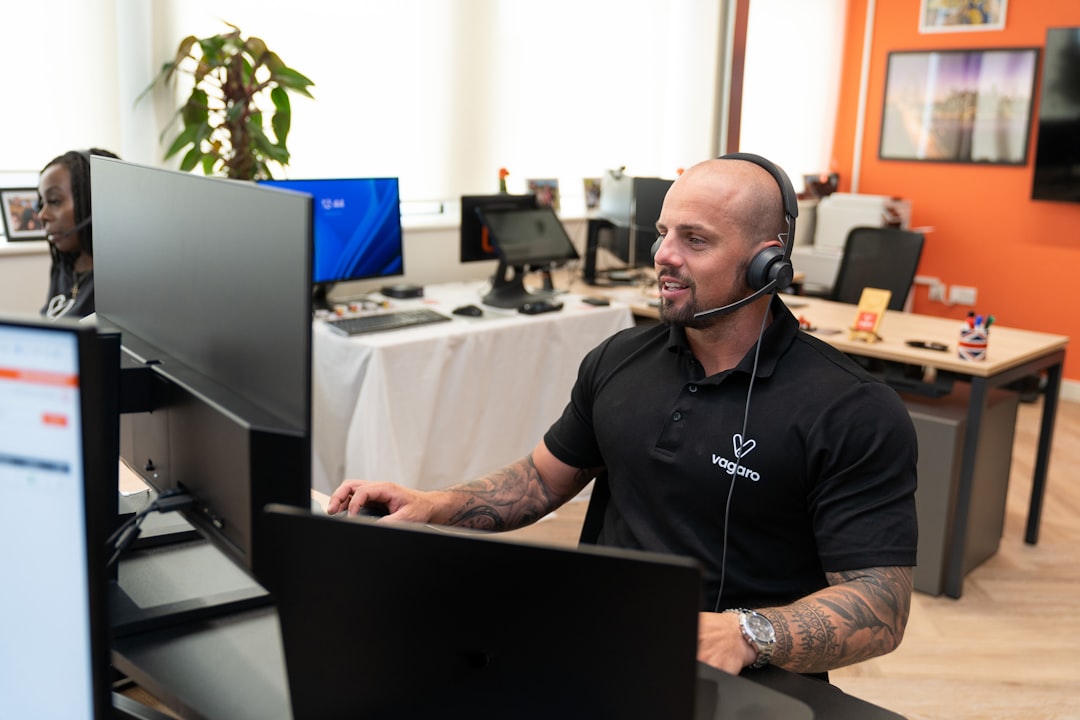
The Bottom Line: Your Show Rate Is Your Store’s Future
Facebook leads dealership management has become one of the highest-volume, lowest-cost-per-lead channels in auto retail — and also one of the most mishandled. Most stores treat Meta leads like internet leads from a decade ago: slow response, generic templates, and a BDC team that’s more focused on logging activity than putting buyers on the lot.
Here’s what the numbers say across top-performing stores: your show rate on Facebook leads will run 15-25 points lower than your phone-up show rate if you don’t build a purpose-specific process around it. That gap is not a lead quality problem. It’s a process problem. Fix the process, and those leads convert at rates that rival any other digital source you’re buying.
This guide gives you the operational framework — staffing, scripts, cadences, and KPIs — to make Facebook a genuine revenue channel, not a vanity metric your digital vendor reports on every month.
—
BDC Structure: Build the Right Foundation Before You Script Anything
In-House vs. Outsourced: When Each Makes Sense
| Factor | In-House BDC | Outsourced BDC |
|---|---|---|
| Lead volume | 150+ leads/month to justify headcount | Under 150 leads/month, or startup phase |
| Brand control | Full control over tone, script, and T.O. process | Variable — depends on vendor quality |
| Appointment ownership | Sales manager can intervene on hot leads | Handoff friction; warm transfers vary |
| Fixed cost | Higher (salary, benefits, space) | Predictable variable cost |
| Training investment | Ongoing, but you own the outcome | Vendor-dependent |
| Upside | Best-in-class stores convert in-house at 2-3x vendor rates | Lower overhead if volume doesn’t justify a seat |
If you’re doing significant Facebook campaign volume and running any equity mining or conquest outbound, bring it in-house. The nuance required to handle an equity-position conversation or a trade-in lead from a carousel ad is not something a third-party call center will execute at the level your grosses require.
Staffing Model: Headcount to Lead Volume
A disciplined in-house BDC coordinator can work roughly 150-200 leads per month at full capacity — if you define “working” as proper multi-touch cadence, not just a single call and a logged note. Beyond that, you’re burning leads.
Run your DMS and CRM lead volume reports from the last 90 days. If you’re getting 400+ Facebook leads a month and you have one part-time BDC agent handling them alongside phone-ups and service scheduling, you already know where your show rate is going.
Comp Plans That Drive Appointments, Not Just Activity
Pay on issued appointments and shown appointments, weighted toward shows. A coordinator who sets 80 appointments and shows 30 is costing you money. A coordinator who sets 50 and shows 40 is your most valuable seat in the building.
A solid structure: base plus a per-show spiff, with a monthly kicker for hitting a show-rate threshold. Tie a smaller bonus to appointments that result in a sold unit — it keeps your BDC team locked into outcome accountability, not just dialing activity.
Sales BDC vs. Service BDC vs. Combined
| Model | Works Best When | Watch Out For |
|---|---|---|
| Dedicated Sales BDC | High new/used lead volume, active conquest campaigns | Service calls get dropped or routed poorly |
| Dedicated Service BDC | Strong fixed ops focus, high RO volume | Sales leads slip through during service rushes |
| Combined BDC | Smaller stores, sub-300 total monthly leads | Role confusion, inconsistent scripting, split focus |
If your service absorption is under 70%, a dedicated service BDC is arguably your highest-ROI staffing move. But for Facebook lead management specifically, your sales BDC owns this channel.
—
Inbound Lead Management: Speed, Sequence, and Script
Speed-to-Lead: The 5-Minute Standard
The research is not ambiguous on this. Lead conversion rates drop sharply after the first five minutes. Your target is a live connection or a meaningful outreach attempt within five minutes of lead receipt — around the clock.
That means nights and weekends are not optional. If your Facebook campaigns run on Friday at 8 PM and your BDC clocks out at 6, you’re generating leads into a black hole. Use your CRM’s automated response to send a personalized text and email within 60 seconds, acknowledge the specific vehicle or offer they engaged with, and give them a direct path to a real conversation.
Multi-Channel Response: Priority Order
Text first. Phone second. Email third. Facebook lead submitters are on their phones. They filled out a form on a mobile device. Meet them where they are. A text response that includes the rep’s name, references the specific vehicle or promotion, and offers two appointment times converts at significantly higher rates than a generic email blast.
Phone calls remain critical — your close rate on a live conversation dwarfs any text thread — but your first move should be text because it’s non-intrusive and gets a response faster.
Lead Routing and Assignment Logic
Don’t let leads sit in a general inbox. Build routing rules in your CRM so that Facebook leads auto-assign to a specific agent or agent group within 60 seconds. Leads that sit unassigned for more than 15 minutes are already decaying. At your next managers meeting, pull your average response time by lead source from the last 30 days — most GMs are surprised by what they find.
Scripts That Set Appointments, Not Just Answer Questions
The goal of the first contact is one thing: a confirmed appointment. Not a vehicle description. Not a payment estimate. An appointment on the calendar with a date, time, and name at the desk.
Initial text script (personalize by vehicle/offer):
> “Hi [Name], this is [Agent] with [Dealership] — I saw you were interested in the [Model]. We have it in stock and I’d love to get you in to see it. Would [Day] at [Time] or [Day] at [Time] work better for you?”
Binary time choices close faster than open-ended availability questions. Don’t ask “when are you available?” — give them two slots and let them choose.
The 3-Call / 5-Text / 3-Email Cadence
| Day | Action | Channel | Goal |
|---|---|---|---|
| Day 1 (0-5 min) | First outreach | Text + Auto-email | Live response / appointment |
| Day 1 (30 min) | Follow-up call | Phone | Live connection |
| Day 1 (EOD) | Second text | Text | Confirm interest, offer times |
| Day 2 | Call + email | Phone + Email | Appointment or discovery |
| Day 3 | Value text | Text | Specific unit detail, urgency hook |
| Day 5 | Call | Phone | Last live attempt |
| Day 7 | Break-up email | Re-engagement or close the lead | |
| Day 14+ | Nurture sequence | Long-game follow-up |
Anything beyond Day 7 without contact should shift into your automated nurture sequence — don’t have your coordinators manually dialing 30-day-old Facebook leads when they should be working fresh ones.
—
Outbound Prospecting: Mining the Database You’re Already Paying For
Orphan Owner Mining
Pull every sold customer in your DMS whose sales rep has left the store. These are orphan owners — they have no relationship with your current team, but they bought from you. A warm outreach from a new point of contact referencing their service history and current trade position is one of the highest-converting outbound campaigns you can run.
Equity Mining Campaigns
Your CRM should be flagging owners who are in positive equity or approaching lease maturity. The script for these calls is simple: you have information their current payment doesn’t reflect. Offer a trade appraisal, no obligation. Get them in for a service appointment, hand them to a salesperson. Service-to-sales handoffs from equity-mined appointments are among the highest front-end gross opportunities in your store.
Be-Back and ‘Not-Yet’ Nurture
Every unsold showroom customer is a be-back candidate. Every Facebook lead that didn’t show is a not-yet. Build a structured 90-day nurture sequence in your CRM for both groups. The best-converting not-yet nurture emails reference the specific vehicle they looked at, not a generic “still looking?” template. Personalization at this level requires CRM discipline, but the ROI on re-engaged not-yets justifies the setup time.
—
Appointment Optimization: Turn “Maybe” Into “Confirmed”
Setting Firm Appointments
A firm appointment has a date, a time, a rep’s name, and a confirmed acknowledgment from the customer. “Come by this weekend” is not an appointment. It’s a hope.
Confirmation Cadence
| Timing | Channel | Message |
|---|---|---|
| Immediately after booking | Text | Confirmation with date, time, rep name |
| Day before | Text + Call | Reminder, ask if any questions |
| Morning of | Text | “We’re looking forward to seeing you at [Time]” |
Show-Rate Benchmarks by Lead Source
| Lead Source | Typical Show Rate (Top Stores) | Notes |
|---|---|---|
| Phone-up | 60-75% | Highest intent |
| Facebook Lead Form | 35-50% | Process-dependent |
| Third-party internet lead | 30-45% | Price shoppers, multi-submit |
| Live chat / text lead | 40-55% | High intent if engaged quickly |
| Equity mining outbound | 50-65% | Pre-qualified, known customer |
If your Facebook show rate is running below 30%, the problem is cadence and confirmation — not the leads.
—
Performance Management: The Numbers That Tell the Truth
Your Daily BDC Dashboard — Five Numbers
1. Leads received (by source — Facebook isolated)
2. First-response time (target: under 5 minutes)
3. Appointment set rate (target: 40%+ of workable leads)
4. Show rate (target: 40-50% of set appointments)
5. Lead-to-sold rate (your ultimate efficiency metric)
Post these on a visible board in the BDC. Daily visibility drives daily accountability.
Call Monitoring and Coaching Cadence
Your BDC manager should be listening to a minimum of five recorded calls per coordinator per week — not cherry-picked. Pull random calls from your CRM call log. Score them against a defined rubric: opening, needs discovery, value proposition, appointment ask, close.
When to Coach, When to Correct, When to Cut
Coach when the skill gap is clearly trainable and the coordinator is showing effort. Correct formally when the same skill gap shows up across three or more monitored calls after coaching. Cut when the behavior is damaging your brand, your CSI, or your close rate — and when documentation supports the decision. A weak seat in your BDC costs you more in burned leads than the overhead of the position.
—
Frequently Asked Questions
How quickly should we respond to Facebook leads specifically?
Under five minutes for an initial automated text or email, with a live follow-up call within 30 minutes. Facebook lead submitters are highly perishable — they’re typically browsing on mobile, and your competitor may have already responded by the time you call an hour later.
Should Facebook leads go to the BDC or directly to salespeople?
Route them to the BDC first. Salespeople are on the floor working ups, and unworked internet leads die fast. The BDC’s job is to qualify the lead, set the firm appointment, and hand it to the floor with notes — not the other way around.
What’s a realistic appointment set rate for Facebook lead form submissions?
Top-performing stores with disciplined processes see 35-50% of workable Facebook leads convert to a set appointment. “Workable” means a valid phone number or email — leads with bad contact data are a separate tracking problem tied to your campaign setup.
How do we reduce the no-show rate on Facebook appointments?
A three-touch confirmation cadence — text immediately after booking, call or text the day before, and a text the morning of — is the single biggest lever on show rate. Stores that skip the day-before confirmation see significantly higher no-show rates across every lead source.
How do we handle Facebook leads that don’t respond after the initial cadence?
Move them into a long-term automated nurture sequence in your CRM after Day 7. Don’t burn your BDC team’s capacity manually dialing 30-day-old unresponsive leads — set an automated monthly touchpoint with relevant content and let your CRM work the long game.
—
Conclusion: Process Beats Lead Volume Every Time
The stores winning the Facebook leads game aren’t buying more leads. They’re building tighter processes around the leads they already have. Speed-to-lead, scripted appointment language, a disciplined confirmation cadence, and daily performance visibility — those four things will move your show rate more than any budget increase will.
If you’re serious about turning your Facebook channel into a genuine volume driver, you need the infrastructure to support it. CarDealership.com’s dealer growth platform gives your BDC team an integrated CRM with automated lead follow-up, multi-channel response tools, and marketing automation built specifically for auto retail — so you’re not duct-taping together three separate systems to run one lead cadence. Hundreds of franchise and independent stores are already using it to capture more leads, close more deals, and grow fixed ops revenue alongside their sales floor. Book a demo or start your free trial to see what the platform does for your store’s numbers. Because at the end of the day, the metric that matters isn’t how many Facebook leads you generate — it’s how many of them show up and buy.
