
Handling EV Objections: Answers to Customer Hesitations
Bottom Line Up Front
Your sales team is hemorrhaging EV deals because they’re handling objections like it’s still 2015. Top-performing stores turn EV objections into trust-building opportunities that actually increase front-end gross and close rates. The stores that master EV objection handling now will dominate the next decade of automotive retail.
Market Context
Your customers are walking onto the lot with more EV misinformation than ever before. They’re hearing horror stories about charging infrastructure, range anxiety, and battery replacement costs from their neighbor’s cousin’s Facebook post. But here’s what most dealers miss: these customers are pre-qualified buyers actively considering electric vehicles — they wouldn’t bring up EV objections if they weren’t already interested.
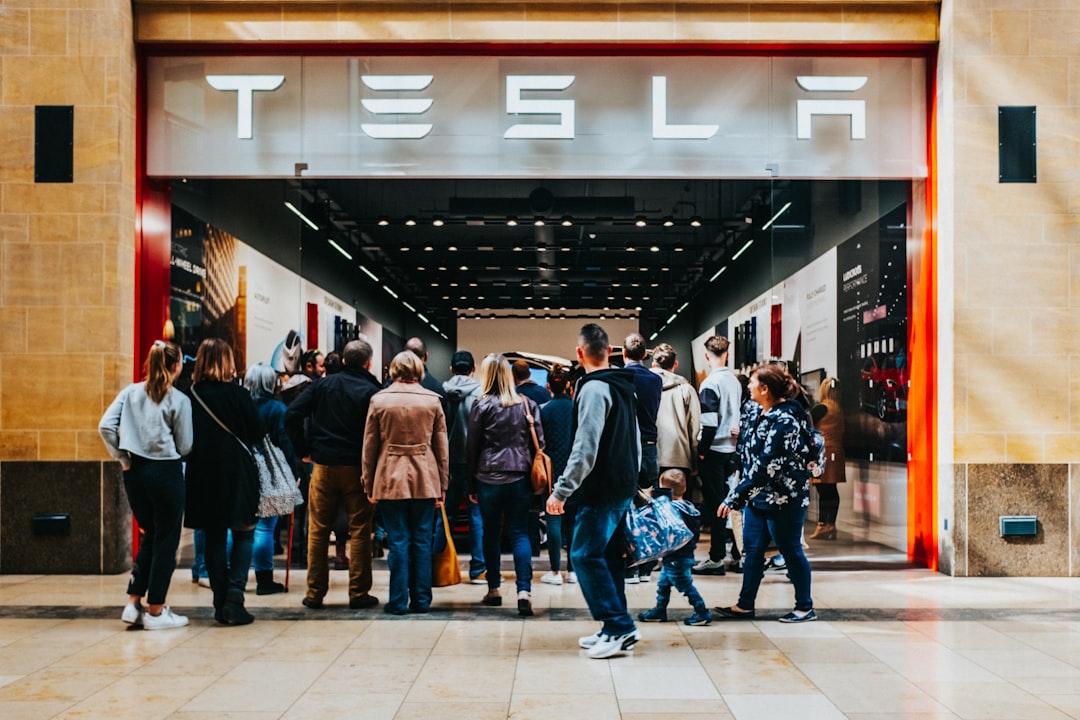
The competitive pressure isn’t just Tesla anymore. Your manufacturer is pushing EV allocations, your floorplan is carrying more electric inventory, and your CSI scores are taking hits when customers feel unprepared for their EV purchase. Meanwhile, stores that properly handle EV objections are seeing 12-15% higher front-end gross on electric vehicles because educated customers focus on value instead of price.
The revenue impact goes beyond the sale. EV customers typically have higher household incomes, better credit profiles, and stronger service loyalty when properly onboarded. But fumble the objection handling, and they’ll buy from the store that makes them feel confident about their decision — even if it’s across town.
The Strategy Framework
Top-quartile stores treat EV objection handling as a consultative selling process, not a defensive reaction. They’ve shifted from trying to overcome objections to educating customers through them. This isn’t about having perfect answers — it’s about building trust through transparency and expertise.
Core Principle 1: Acknowledge Before Educating
Never dismiss an EV objection as uninformed. Acknowledge the customer’s concern, validate that others have similar questions, then provide factual information. This positions your salesperson as a trusted advisor, not a pushy closer.
Core Principle 2: Use Local Proof Points
Generic manufacturer talking points don’t build confidence. Your team needs local charging locations, real customer testimonials from your service drive, and specific examples relevant to your market area.
Core Principle 3: Create Follow-Up Opportunities
EV objections often signal customers need time to process information. Build follow-up into your objection handling instead of trying to close immediately.
Implementation Framework
Week 1-2: Inventory and Information Audit
Pull your EV aging report and identify which models are sitting. Map charging infrastructure within 20 miles of your store. Contact your existing EV customers for permission to use them as references.
Week 3-4: Sales Team Training
Run role-play sessions covering the top eight EV objections in your market. Don’t script responses — teach your team the underlying facts so they can handle variations naturally.
Week 5-6: Process Integration
Update your CRM to track EV-specific objections and follow-up sequences. Create automated educational email series for customers who express EV interest but don’t buy immediately.
Resource Requirements:
- 8-10 hours manager time for initial setup
- 4-6 hours sales team training
- CRM configuration support
- Marketing materials budget for local charging maps and customer testimonials
Timeline to ROI: Most stores see improved EV closing rates within 30 days and measurable gross profit improvement within 60 days.
Sales Floor Execution
Your road-to-the-sale changes when EV objections surface early in the process. Instead of trying to redirect to other inventory, lean into the conversation. EV-interested customers often have higher closing percentages when properly handled because they’re actively shopping the category.
Training Your Sales Team
The CLEAR Method for EV Objections:
- Clarify the specific concern
- Listen for underlying motivations
- Educate with relevant facts
- Advance to next steps
- Record for follow-up
Talk Tracks for Common Objections
Range Anxiety:
“I understand that concern — it’s the most common question I hear. Help me understand your typical driving pattern. Most of our EV customers discover they’re only using 20-30% of their battery capacity on normal days. Let me show you the charging options within 15 minutes of here, then we can talk about how the range works for your specific situation.”
Charging Infrastructure:
“That’s a smart question to ask upfront. Let’s walk through the three types of charging you’ll actually use. [Pull out local charging map] Most charging happens at home overnight, but here’s what’s available when you’re out. I can also connect you with two customers who’ve been driving EVs in this area for over a year.”
Battery Replacement Costs:
“I’m glad you brought that up — there’s a lot of bad information floating around about batteries. The manufacturer warranty covers the battery for [specific terms], but let me share what our service department has actually seen with EVs in the field.”
Role-Play Scenarios
Run these scenarios at your next sales meeting:
Scenario 1: Customer loves the EV during the test drive but mentions their spouse is worried about charging on road trips.
Scenario 2: Customer compares EV pricing to similar gas models and questions the value proposition.
Scenario 3: Customer heard from a friend that EV batteries die in cold weather.
T.O. and Desk Involvement
When to involve management:
- Customer requests technical details beyond salesperson knowledge
- Multiple family members have different EV concerns
- Customer wants to speak with existing EV owners
- Price objections combined with EV hesitations
Train your desk managers to support the education process, not override it. The goal is building confidence, not closing through pressure.
CRM and Process Integration
Your CRM needs to capture EV-specific data points that most stores ignore. This isn’t just about tracking interest — it’s about building systematic follow-up that turns initial hesitation into confident purchases.
CRM Configuration
Required Custom Fields:
- Primary EV concerns (dropdown list)
- Charging situation at home/work
- Previous EV experience
- Family member buy-in level
- Information requested/provided
Automated Triggers:
- EV interest but no test drive: Educational email series + follow-up call in 3 days
- Test drove EV but didn’t purchase: Charging information packet + 7-day follow-up
- Spouse concerns noted: Family-focused educational materials + invitation to bring spouse
Follow-Up Cadence
Day 1: Thank you email with relevant EV information based on specific concerns discussed
Day 3: Phone call to answer any additional questions that came up
Day 7: Email with local customer testimonial or new charging infrastructure updates
Day 14: Phone call offering to arrange conversation with existing EV customer
Monthly: Market updates on EV incentives, new charging locations, or model availability
Daily/Weekly Data Points
Track these metrics in your daily desk log:
- EV objections by type and frequency
- Conversion rate from EV interest to test drive
- Test drive to purchase ratio for EVs vs. ICE vehicles
- Average days from first EV inquiry to purchase
Monitor weekly:
- EV gross profit vs. similar gas models
- Service appointment scheduling rate for EV customers
- Referral rate from EV customers
Measuring Results
Key Performance Indicators
Closing Rate Improvement: Top stores see 15-20% better closing rates on EV prospects after implementing systematic objection handling.
Front-End Gross: Well-educated EV customers focus less on price negotiation. Target 8-12% higher gross profit on EVs vs. comparable gas models.
PVR Impact: EV customers often purchase extended warranties, accessories, and protection products at higher rates when they trust your expertise.
Be-Back Ratio: Properly handled EV objections should increase your be-back ratio as customers return with family members or for additional information.
Benchmarks from Top Performers
30-Day Targets:
- 25% reduction in “need to think about it” EV objections
- 10% improvement in EV test drive conversion
- Documented objection handling process for all sales staff
60-Day Targets:
- 15% improvement in EV closing rate
- 5+ customer testimonials from recent EV buyers
- CRM automation capturing 90% of EV prospect interactions
90-Day Targets:
- EV gross profit matching or exceeding gas models
- 20% of EV sales coming from referrals or be-backs
- Service absorption improvement from EV customer retention
Review Framework
Weekly Manager Reviews:
- Objection types and frequency trends
- Individual salesperson EV conversion rates
- Follow-up completion rates
Monthly Performance Assessment:
- EV inventory turn vs. gas models
- Customer satisfaction scores on EV purchases
- Service appointment scheduling and completion rates
Quarterly Strategic Review:
- Market share analysis in EV segment
- Competitive positioning vs. other local dealers
- ROI on EV training and process investments
Common Pitfalls
Most stores fail at EV objection handling because they treat it like a traditional sales process instead of recognizing it as consultative education. Here’s why implementations fail and how to prevent it.
Why This Fails at Most Stores
Pitfall 1: Information Overload
Salespeople dump technical specifications instead of addressing emotional concerns. Customers don’t need to know battery chemistry — they need confidence that the vehicle works for their lifestyle.
Solution: Focus on customer-specific use cases, not technical features. Train your team to ask qualifying questions before providing information.
Pitfall 2: Treating All Objections as Price Objections
EV hesitations aren’t usually about monthly payments — they’re about confidence and convenience. Responding with rebates and incentives misses the real concern.
Solution: Separate value-based education from pricing discussions. Build confidence first, negotiate price second.
Pitfall 3: No Manager Buy-In
Sales managers who don’t understand EV benefits can’t support their team’s efforts. Mixed messages destroy customer confidence.
Solution: Train managers first, not salespeople. Managers need deeper product knowledge to effectively T.O. and support objection handling.
Manager Buy-In Challenges
Challenge: “EVs are too complicated for our customers”
Solution: Share market data showing EV adoption rates in your specific demographic and geographic area.
Challenge: “We don’t have time for extra training”
Solution: Calculate the revenue impact of improved EV closing rates vs. training investment. Position as competitive advantage, not additional burden.
Challenge: “Manufacturer incentives will sell EVs, not training”
Solution: Show gross profit comparison between educated vs. uninformed EV customers. Training improves margins, not just volume.
Making It Stick Past Month One
Sustainability Strategy 1: Regular Role-Play
Monthly sales meetings should include EV objection scenarios. Keep skills sharp and address new concerns as they emerge.
Sustainability Strategy 2: Customer Feedback Loop
Survey EV customers about their purchase experience. Share positive feedback with sales team and address any gaps revealed.
Sustainability Strategy 3: Ongoing Education
EV technology and infrastructure evolve rapidly. Quarterly updates keep your team current and confident.
FAQ
Q: How do we handle customers who’ve heard negative EV stories from friends or online?
Social proof beats social media every time. Connect them with your existing EV customers who can share real-world experience. Most negative stories come from early adoption issues that have been resolved or from people who never actually owned an EV.
Q: Should we push customers toward EVs to help with inventory turn?
Never push — educate and match. Use EV conversations to understand customer priorities and recommend the best solution. Forcing EV sales on unsuitable customers hurts CSI scores and creates service problems later.
Q: What if our salespeople don’t feel confident about EV technology?
Start with basic education about your specific EV models, not general EV technology. Most customer concerns are practical (charging, range, cost) not technical. Focus training on answering real customer questions, not engineering concepts.
Q: How do we compete with Tesla’s direct sales model?
Emphasize your service advantage, local presence, and ability to handle trade-ins and financing in one location. Many customers prefer traditional dealer relationships once they understand the ongoing benefits.
Q: What’s the ROI timeline for implementing systematic EV objection handling?
Most stores see improved closing rates within 30 days and measurable gross profit improvement within 60 days. The investment in training and process typically pays for itself within one quarter through improved margins and conversion rates.
Conclusion
EV objection handling isn’t about overcoming customer resistance — it’s about building the expertise and processes that turn hesitation into confidence. The stores that master this now will own the electric transition while their competition struggles with inventory aging and missed opportunities.
Your customers want to understand EVs, not be sold on them. Give your team the tools and training to be trusted advisors, and you’ll see the impact in both closing rates and gross profit.
CarDealership.com’s integrated CRM and marketing platform helps hundreds of dealerships systematically track EV prospects, automate educational follow-up sequences, and measure the results that matter. Our dealer-specific tools capture every EV objection, trigger appropriate responses, and help you build the customer confidence that drives profitable sales. Book a demo to see how the right technology amplifies your team’s expertise and turns EV objections into competitive advantages.
