
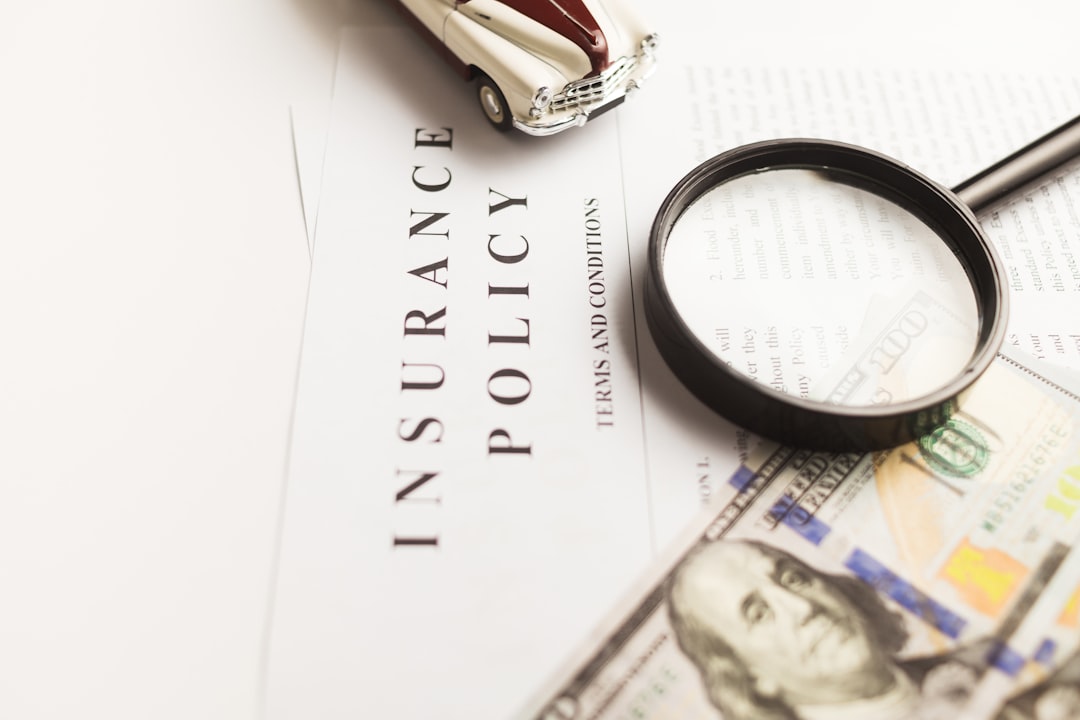
Car Insurance Guide: Coverage Types, Costs, and Tips
Introduction
Car insurance isn’t just a legal requirement in most states—it’s your financial shield against potentially devastating costs from accidents, theft, and liability claims. Yet many drivers treat insurance as an afterthought, often purchasing minimal coverage or failing to understand what they’re actually buying. This approach can leave you financially vulnerable when you need protection most.
Understanding car insurance before you shop for coverage can save you thousands of dollars over time. The right insurance strategy balances adequate protection with affordable premiums, ensuring you’re neither underinsured nor overpaying for unnecessary coverage. With insurance costs representing a significant portion of vehicle ownership expenses, making informed decisions about coverage types, deductibles, and providers directly impacts your budget.
This comprehensive guide covers everything you need to know about car insurance: from mandatory liability coverage to optional protection like comprehensive and collision, plus money-saving strategies that don’t compromise your financial security. Whether you’re a first-time car buyer or looking to optimize your existing coverage, understanding these fundamentals will help you make confident, cost-effective insurance decisions.
Types of Car Insurance Coverage
Liability Insurance
Liability insurance is mandatory in nearly every state and covers damages you cause to others in an accident. This foundational coverage splits into two components:
Bodily Injury Liability pays for medical expenses, lost wages, and legal fees when you injure others in an accident. Coverage limits are expressed as two numbers (like 100/300), representing thousands in coverage per person and per accident respectively.
Property Damage Liability covers repair or replacement costs for vehicles, buildings, or other property you damage. This coverage typically ranges from $25,000 to $100,000 or more.
While state minimums exist, these amounts often prove inadequate for serious accidents. Medical bills and vehicle replacement costs can easily exceed basic liability limits, leaving you personally responsible for the difference.
Collision Coverage
Collision insurance pays for repairs to your vehicle after accidents with other cars, objects, or rollover incidents, regardless of fault. This coverage is optional unless you’re financing or leasing your vehicle—lenders require collision coverage to protect their investment.
Collision coverage includes a deductible you pay before insurance kicks in. Higher deductibles lower your premium but increase out-of-pocket costs when filing claims. Common deductibles range from $250 to $2,000.
Comprehensive Coverage
Comprehensive coverage protects against non-collision damage to your vehicle, including theft, vandalism, weather damage, fire, and animal strikes. Like collision coverage, comprehensive is optional for owned vehicles but typically required for financed cars.
This coverage proves especially valuable for newer vehicles or those parked in areas prone to weather damage, theft, or vandalism. The deductible structure works similarly to collision coverage.
Personal Injury Protection (PIP)
PIP coverage, required in no-fault insurance states, pays for medical expenses, lost wages, and essential services regardless of who caused an accident. This coverage extends to you, your passengers, and sometimes pedestrians you injure.
PIP limits vary by state, with some offering unlimited medical coverage and others capping benefits at specific amounts. This coverage can prove crucial for handling immediate accident-related expenses.
Uninsured/Underinsured Motorist Coverage
This protection covers you when accidents involve drivers with no insurance or insufficient coverage limits. Given that millions of drivers operate without insurance, this coverage fills critical gaps in protection.
Uninsured motorist coverage typically includes both bodily injury and property damage components. Some states require this coverage, while others make it optional but highly recommended.
Understanding Insurance Costs
Factors Affecting Your Premiums
Insurance companies use complex algorithms to assess risk and determine premiums. Major factors include:
Driving Record: Traffic violations, accidents, and claims history significantly impact rates. Clean records qualify for the best rates, while multiple violations can double or triple premiums.
Credit Score: In states where allowed, insurers use credit scores as risk indicators. Higher scores typically correlate with lower premiums, as insurers view responsible credit management as an indicator of responsible driving.
Vehicle Type: Sports cars, luxury vehicles, and cars with high theft rates cost more to insure. Safety ratings, repair costs, and theft statistics all influence premiums.
Location: Urban areas with higher accident rates, crime, and population density typically see higher premiums than rural locations.
Age and Experience: Young drivers pay premium rates due to inexperience and higher accident rates. Rates typically decrease with age until the senior years.
Coverage Limits and Deductibles: Higher coverage limits increase premiums, while higher deductibles reduce them. Finding the right balance depends on your financial situation and risk tolerance.
Geographic Rate Variations
Insurance costs vary dramatically by location due to differences in accident rates, weather patterns, crime statistics, and state regulations. Urban areas generally see higher rates than rural locations, but specific neighborhoods can vary significantly based on local factors.
State insurance regulations also impact pricing. No-fault states often have higher premiums due to PIP requirements, while states with robust public transportation systems might see lower average rates.
Coverage Selection Strategies
Assessing Your Protection Needs
Proper coverage selection starts with evaluating your financial situation and risk exposure. Consider your assets, income, and ability to handle large unexpected expenses when choosing coverage limits.
Asset Protection: Your liability coverage should exceed your net worth to protect against lawsuits. If you own a home, have significant savings, or earn substantial income, higher liability limits provide crucial protection.
Vehicle Value: For comprehensive and collision coverage, consider your car’s actual cash value versus the cost of coverage. If annual premiums approach 10% of your vehicle’s value, dropping these coverages might make financial sense.
Deductible Strategy: Choose deductibles you can comfortably afford to pay. While higher deductibles lower premiums, they increase your financial exposure when claims occur.
Bundling and Discounts
Insurance companies offer numerous discounts that can significantly reduce premiums:
Multi-Policy Discounts: Bundling auto insurance with home, renters, or other policies often provides substantial savings.
Safe Driver Discounts: Clean driving records, defensive driving course completion, and usage-based insurance programs can reduce rates.
Vehicle Safety Features: Anti-theft systems, airbags, anti-lock brakes, and other safety equipment often qualify for discounts.
Student Discounts: Good student discounts reward academic achievement, while away-at-school discounts reduce rates when student drivers don’t have regular vehicle access.
Professional Discounts: Many insurers offer discounts for specific professions, military service, or membership in certain organizations.
Smart Shopping and Comparison Tips
Getting Accurate Quotes
When shopping for insurance, provide identical information to each company to ensure fair comparisons. Include all drivers who might use your vehicle and provide accurate information about your driving record, location, and vehicle details.
Request quotes with identical coverage limits and deductibles. Many companies offer online quote tools, but speaking with agents can reveal additional discounts or coverage options that might benefit your situation.
Reading the Fine Print
Insurance policies contain important details that affect coverage. Pay attention to:
Coverage Exclusions: Understanding what’s not covered helps avoid claim surprises. Common exclusions include racing, commercial use, and intentional damage.
Claim Filing Requirements: Policies specify timeframes and procedures for reporting claims. Failing to follow these requirements could jeopardize coverage.
Policy Limits and Sub-limits: Some coverages have per-incident limits that differ from annual limits. Rental car coverage, for example, might include daily and total claim limits.
Timing Your Purchase
Insurance rates can fluctuate based on various factors. Shop for new coverage before your current policy expires to avoid coverage gaps and potential rate increases for lapses.
Consider timing major purchases or life changes with your policy renewal. Adding a new vehicle or moving might qualify you for different discounts or rate structures.
Claims Process and Management
Filing Claims Effectively
When accidents occur, proper claim handling protects your interests and ensures smooth processing:
Immediate Steps: Document the scene with photos, exchange information with other parties, and report the incident to police when required. Contact your insurance company promptly to report the claim.
Documentation: Maintain detailed records of all accident-related expenses, communications with insurance companies, and repair estimates. This documentation proves crucial for claim resolution.
Understanding the Process: Your insurer will assign an adjuster to evaluate damages and determine coverage. Be prepared to provide additional information or documentation as requested.
Working with Insurance Companies
Maintain professional communication with claims representatives and understand your rights as a policyholder. If you disagree with claim decisions, most companies have appeal processes, and state insurance commissioners can help resolve disputes.
Consider whether using insurance for minor claims makes financial sense. Multiple claims can increase your premiums, potentially costing more than paying for small repairs yourself.
Frequently Asked Questions
Q: How much car insurance do I really need?
A: Beyond state minimums, carry liability coverage that exceeds your net worth to protect your assets. For collision and comprehensive, consider your vehicle’s value, your financial ability to replace it, and the cost of coverage when making decisions.
Q: Will my rates go up after any accident, even if I’m not at fault?
A: While not-at-fault accidents shouldn’t directly increase your rates, they may affect your overall risk profile. Some insurers offer accident forgiveness programs that prevent rate increases for first accidents, regardless of fault.
Q: Is it worth getting rental car coverage?
A: Rental coverage typically costs less than $30 annually and can save hundreds during claims. However, check whether your credit cards or other insurance policies already provide rental coverage to avoid duplication.
Q: How often should I shop for new insurance?
A: Review your coverage annually and shop for new rates every two to three years, or after major life changes like moving, marriage, or buying a new vehicle. Rate structures change, and you might qualify for new discounts.
Q: What happens if I let my insurance lapse?
A: Coverage lapses can result in fines, license suspension, and higher rates when you reinstate coverage. Insurers view lapses as risk indicators and often charge penalty rates for drivers with coverage gaps.
Conclusion
Car insurance represents a crucial financial protection that requires thoughtful consideration and regular review. Understanding coverage types, cost factors, and selection strategies empowers you to make informed decisions that provide adequate protection without overpaying for unnecessary coverage.
The key to effective car insurance lies in balancing comprehensive protection with affordable premiums through proper coverage selection, discount utilization, and smart shopping practices. Regular policy reviews ensure your coverage evolves with your changing needs and financial situation.
Remember that the cheapest option isn’t always the best value if it leaves you underinsured when you need protection most. Focus on finding reputable insurers that offer fair pricing, excellent customer service, and efficient claims handling to ensure your insurance serves you well when it matters.
Ready to find your next vehicle? Visit CarDealership.com to compare vehicles, get price quotes from local dealers, and find the best deal on your next car — all for free. Our platform helps thousands of car buyers make smarter purchasing decisions with unbiased reviews, price comparison tools, and connections to reputable local dealerships. Start your search today and drive away with confidence in both your vehicle choice and insurance protection.
