
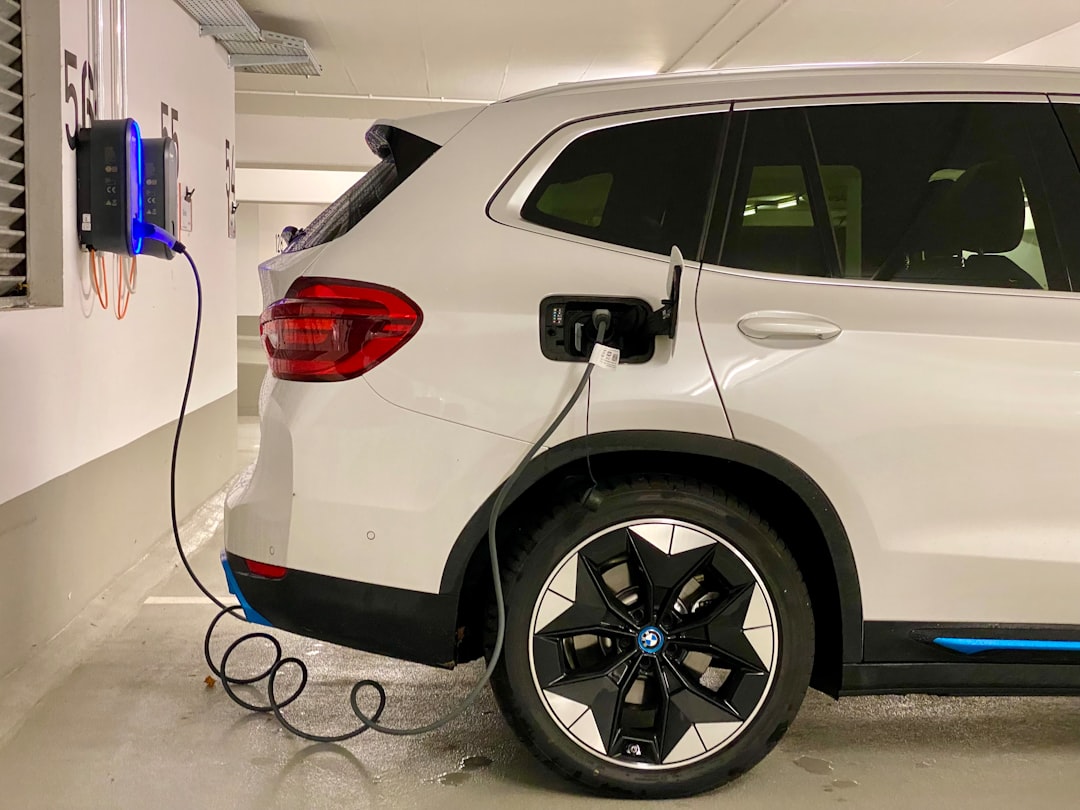
EV Tax Credits: Federal and State Incentives Explained
The electric vehicle revolution is in full swing, with 2023 marking a pivotal year where EVs transitioned from niche curiosity to mainstream consideration. Monthly EV sales now regularly exceed 100,000 units in the U.S., and virtually every major automaker has committed to electrification strategies. For consumers, this shift presents both exciting opportunities and complex decisions.
This comprehensive guide is designed for anyone considering an electric vehicle purchase, whether you’re a first-time EV buyer, someone upgrading from a hybrid, or simply exploring your options as your current vehicle ages. We’ll demystify the technology, help you assess your needs, and most importantly, explain the substantial federal and state tax credits that can significantly reduce your EV purchase cost.
Key questions we’ll answer include: Which EV tax credits am I eligible for? How do I know if an EV fits my lifestyle? What are the real-world costs compared to gas vehicles? And which EVs offer the best value in 2024?
EV Basics Explained
Understanding electric vehicle terminology is crucial for making an informed purchase decision. Let’s break down the key categories and concepts.
Vehicle Types
Battery Electric Vehicles (BEVs) run entirely on electricity stored in large battery packs. They produce zero direct emissions and offer the purest electric driving experience. Popular examples include the Tesla Model 3, Chevrolet Bolt, and Ford Mustang Mach-E.
Plug-in Hybrid Electric Vehicles (PHEVs) combine a gasoline engine with an electric motor and battery pack that can be charged from an external source. They typically offer 20-50 miles of electric-only range before the gas engine kicks in. The Toyota Prius Prime and BMW X5 xDrive45e are prime examples.
Traditional Hybrids use both gas and electric power but cannot be plugged in to charge. While fuel-efficient, they don’t qualify for the substantial EV tax credits we’ll discuss later.
How Electric Powertrains Work
Electric motors are remarkably simple compared to internal combustion engines. They convert electrical energy from the battery into rotational force with incredible efficiency—typically 85-95% compared to roughly 30% for gas engines. This efficiency translates directly into lower operating costs.
Most EVs use regenerative braking, which captures energy during deceleration and feeds it back to the battery. This feature not only extends range but also reduces brake wear, cutting maintenance costs.
Range and Battery Terminology
EPA Range is the official estimate of how far an EV can travel on a full charge under standardized testing conditions. Real-world range varies based on driving habits, weather, and terrain.
Battery capacity is measured in kilowatt-hours (kWh), similar to how gas tank size is measured in gallons. A typical EV battery ranges from 40 kWh in compact cars to over 100 kWh in luxury SUVs.
Battery degradation refers to the gradual reduction in battery capacity over time. Modern EV batteries typically retain 80% of their capacity after 8-10 years, and most manufacturers warranty batteries for at least 8 years or 100,000 miles.
Charging Levels Explained
Level 1 Charging uses a standard 120V household outlet and adds roughly 3-5 miles of range per hour. While slow, it’s adequate for drivers with short commutes and overnight charging capability.
Level 2 Charging requires a 240V outlet (like those used for electric dryers) and delivers 15-40 miles of range per hour. Most EV owners install Level 2 chargers at home for convenient overnight charging.
DC Fast Charging can add 100-200 miles of range in 30 minutes at public charging stations. This technology enables long-distance EV travel and is rapidly expanding across the country.
Is an EV Right for You?
The decision to go electric depends on several personal factors that are worth evaluating honestly.
Daily Driving Assessment
Start by calculating your typical daily driving distance. The average American drives about 40 miles per day, well within the range of even entry-level EVs. If your daily commute is under 100 miles roundtrip, an EV will likely meet your needs without range anxiety.
Consider your driving patterns: Do you take frequent long trips? Make multiple stops throughout the day? Drive primarily in the city or on highways? City driving actually benefits EVs through regenerative braking, while highway driving at high speeds reduces efficiency.
Home Charging Feasibility
Home charging is the cornerstone of convenient EV ownership. Ideally, you’ll have access to a garage or dedicated parking space where you can install a Level 2 charger. Even a standard outlet can work for low-mileage drivers.
Renters face additional challenges but aren’t necessarily excluded. Some apartment complexes and condos are installing EV charging, and workplace charging is becoming more common. However, relying solely on public charging requires more planning and potentially higher costs.
Road Trip Considerations
Long-distance travel in an EV requires route planning around Electric Car. While the network is expanding rapidly, it’s not yet as ubiquitous as gas stations. Apps like PlugShare and ChargePoint help locate charging stations along your route.
Modern EVs with 250+ mile range can handle most road trips with minimal charging stops. The key is understanding that road trips will take slightly longer due to charging breaks, though many drivers find these forced rest stops beneficial.
Climate Impact on Range
Cold weather reduces EV range by 20-40% due to battery chemistry and cabin heating demands. If you live in a climate with harsh winters and have a long commute, factor this into your vehicle selection. Some EVs handle cold weather better than others, with heat pumps and battery thermal management systems helping maintain efficiency.
Hot weather also affects range, though typically less severely than cold. Desert climates can reduce range by 10-20% due to air conditioning use and battery cooling needs.
Total Cost of Ownership
EVs typically cost more upfront but save money over time through lower fuel and maintenance costs. Federal and state tax credits can eliminate much of the initial price premium.
Electricity is generally cheaper than gasoline on a per-mile basis. At national average rates, driving an EV costs about half as much per mile as driving a gas car. This advantage is even greater if you have solar panels or access to time-of-use electricity rates.
Maintenance costs are significantly lower for EVs. They have fewer moving parts, no oil changes, and brake pads last longer due to regenerative braking. Budget about 40-50% less for routine maintenance compared to a gas car.
Charging Infrastructure
Understanding charging infrastructure is crucial for successful EV ownership.
Home Charging Setup and Costs
Installing a Level 2 home charger typically costs $500-2,000, including equipment and professional installation. The charger itself ranges from $300-800, while electrical work varies based on your home’s current setup.
Many utilities offer rebates for EV charger installation, and some provide special electricity rates for EV charging during off-peak hours. These time-of-use rates can cut your charging costs in half.
Public Charging Networks
The public charging landscape includes several major networks: Tesla Supercharger (increasingly open to non-Tesla vehicles), Electrify America, ChargePoint, and EVgo. Each has its own pricing structure and payment system.
DC fast charging typically costs $0.30-0.60 per kWh, making it more expensive than home charging but still competitive with gasoline. Level 2 public charging is often cheaper but takes longer.
Workplace Charging
Many employers now offer workplace charging as an employee benefit. This can be particularly valuable for renters or those without ideal home charging situations. Even Level 1 charging at work can provide significant range during an 8-hour workday.
Charging Apps and Payment
Popular charging apps include PlugShare (for finding stations), ChargePoint, Electrify America, and your vehicle manufacturer’s app. Some newer EVs integrate charging station locations and availability directly into the navigation system.
Payment methods vary by network. Some accept credit cards, others require app-based payment, and a few offer subscription plans for frequent users.
Planning Longer Trips
Route planning apps like A Better Routeplanner (ABRP) optimize long-distance EV travel by calculating charging stops based on your specific vehicle, driving conditions, and desired arrival battery level. Most modern EVs also have built-in trip planners.
The key to successful road trips is building in buffer time and having backup charging options along your route.
Financial Considerations
The financial landscape for EVs has never been more favorable, thanks to substantial incentives and improving economics.
Federal and State EV Tax Credits
The federal EV tax credit provides up to $7,500 for qualifying new electric vehicles. As of 2024, this credit has specific requirements:
- The vehicle must be assembled in North America
- Battery components must meet domestic content requirements
- The buyer’s income cannot exceed certain thresholds ($300,000 for joint filers, $225,000 for heads of household, $150,000 for other filers)
- The vehicle’s MSRP cannot exceed $80,000 for vans, SUVs, and trucks, or $55,000 for other vehicles
Used EV buyers can receive up to $4,000 in federal tax credits, subject to income limits and vehicle price caps.
State incentives vary widely but can be substantial. California offers up to $7,000 in additional rebates, while states like Colorado, Connecticut, and New York provide $2,500-5,000 in incentives. Some states also offer additional perks like HOV lane access and reduced registration fees.
Utility companies often provide additional rebates for EV purchases and home charger installations, sometimes totaling $1,000 or more.
Fuel Savings Calculations
Calculate your potential fuel savings by comparing your current gas costs to electricity costs. The EPA’s fuel economy website provides a helpful tool for this comparison.
Example: If you drive 12,000 miles annually in a 25-mpg gas car with $3.50/gallon fuel, you spend about $1,680 per year on gas. The same miles in an efficient EV might cost $500-800 in electricity, saving $900-1,200 annually.
Maintenance Savings
EVs require significantly less maintenance than gas vehicles. No oil changes, spark plugs, air filters, or transmission service. Brake pads last much longer due to regenerative braking. Budget approximately $400-600 annually for EV maintenance compared to $1,200-1,500 for a comparable gas car.
Insurance Differences
EV insurance rates vary by model and insurer. Some EVs cost more to insure due to higher repair costs and vehicle values, while others benefit from safety features and lower theft rates. Shop around with multiple insurers, as rates can vary significantly.
Resale Value Trends
EV resale values are stabilizing as the market matures. Tesla vehicles have historically held value well, while other EVs are following typical automotive depreciation patterns. However, rapid technology advancement can affect resale values of older EV models more than traditional vehicles.
Top EV Picks by Category
Here are our current recommendations across key EV segments:
Best Affordable EVs
Chevrolet Bolt EV/EUV: Starting around $28,000 before incentives, offers 259 miles of EPA range and practical packaging. Reliable and efficient with low ownership costs.
Nissan Leaf: The pioneering mainstream EV remains competitive with starting prices around $28,000 and up to $7,500 in federal tax credits available.
Hyundai IONIQ 6: Exceptional efficiency and range in a distinctive sedan package, starting in the low $40,000s before incentives.
Best Luxury EVs
BMW iX: Combines luxury appointments with 300+ mile range and impressive build quality. Starting around $85,000.
Mercedes EQS: The electric S-Class offers up to 450 miles of range with unparalleled luxury. Prices start around $105,000.
Lucid Air: When available, offers the longest range of any production EV at over 500 miles, though at a premium price point.
Best EV SUVs
Tesla Model Y: The best-selling luxury SUV combines 330-mile range with Tesla’s Supercharger network access and competitive pricing around $48,000.
Hyundai IONIQ 5: Distinctive design meets practical utility with 300+ mile range and ultra-fast charging capability.
Ford Mustang Mach-E: American alternative to Tesla offers engaging driving dynamics and competitive range around 300 miles.
Best for Range
Mercedes EQS: Up to 450 miles EPA range in optimal conditions.
Lucid Air Dream Range: Over 500 miles of EPA range, though limited availability.
BMW iX xDrive50: 380 miles of range with luxury SUV practicality.
Best for Families
Tesla Model Y: Seven-seat option available, excellent safety ratings, and comprehensive charging network.
Volkswagen ID.4: Spacious interior, competitive pricing, and three years of free charging at Electrify America stations.
Hyundai IONIQ 5: Flexible interior with moveable seats and 10-year/100,000-mile battery warranty.
Common Concerns Addressed
Let’s tackle the most frequent EV concerns with factual information.
Range Anxiety Solutions
Range anxiety often exceeds actual range needs. Most EV owners find their concerns diminish after a few weeks of ownership as they develop new routines around home charging.
Solutions include: choosing an EV with more range than your daily needs, installing home charging, using charging apps to locate public stations, and understanding that most trips are local and within any EV’s capability.
Battery Degradation Facts
Modern EV batteries are designed to last the vehicle’s lifetime. Most manufacturers warranty batteries for 8 years or 100,000 miles, guaranteeing at least 70% capacity retention.
Real-world data shows most EV batteries retain 80-90% capacity after 100,000 miles. Battery replacement costs are decreasing as technology improves and production scales up.
Cold Weather Performance
Cold weather does reduce EV range, but modern EVs include battery thermal management systems and heat pumps to minimize the impact. Pre-conditioning your vehicle while plugged in can warm the battery and cabin without using range.
Many EV owners in cold climates report satisfaction with winter performance, especially when equipped with proper tires and realistic range expectations.
Towing with an EV
Towing significantly reduces EV range, typically by 50% or more depending on trailer weight and conditions. However, electric motors provide excellent torque for towing, and several EVs offer substantial towing capacity.
The Ford Lightning can tow 10,000 pounds, while the Rivian R1T offers 11,000-pound capacity. Plan for more frequent charging stops when towing.
Repair and Service Availability
EV service networks are expanding rapidly as adoption grows. Many maintenance tasks require less specialized knowledge than traditional automotive service.
Tesla operates its own service network, while other manufacturers work through traditional dealer networks with EV-trained technicians. Mobile service is becoming more common for routine maintenance and minor repairs.
FAQ
Q: How long does it take to charge an EV?
A: Charging time varies by battery size and charger power. At home with Level 2 charging, most EVs fully charge in 4-8 hours. DC fast charging can add 200+ miles of range in 30 minutes for highway travel.
Q: Do EVs work in extreme weather?
A: Yes, though efficiency is affected. Cold weather can reduce range by 20-40%, while hot weather typically impacts range by 10-20%. Modern EVs include thermal management systems to minimize weather effects.
Q: What happens if I run out of charge?
A: EVs provide multiple low-battery warnings before reaching zero charge. If you do run out, you’ll need to call for roadside assistance to tow to a charging station or bring a mobile charging unit. Most EV owners report this never happens with basic planning.
Q: Are EVs really better for the environment?
A: Yes, even accounting for electricity generation and battery production. EVs produce roughly half the lifetime emissions of comparable gas vehicles, and this advantage grows as the electrical grid becomes cleaner.
Q: Can I charge an EV at any outlet?
A: Most EVs can charge from standard 120V outlets using the included charging cable, though this is very slow (3-5 miles per hour). Level 2 charging requires a 240V outlet but charges much faster (15-40 miles per hour).
Q: Do I need a special electrical panel for home charging?
A: Not necessarily. Many homes can accommodate Level 2 EV charging with existing electrical panels. An electrician can assess your specific situation and recommend any necessary upgrades.
Conclusion
Electric vehicles have evolved from experimental technology to practical, cost-effective transportation for millions of Americans. The combination of federal and state EV tax credits, lower operating costs, expanding charging infrastructure, and improving technology makes 2024 an ideal time to consider making the switch.
The key to successful EV ownership lies in honest self-assessment of your driving needs, available charging options, and financial situation. For most drivers, especially those with predictable commutes and home charging capability, an EV can provide superior economics, convenience, and environmental benefits compared
